
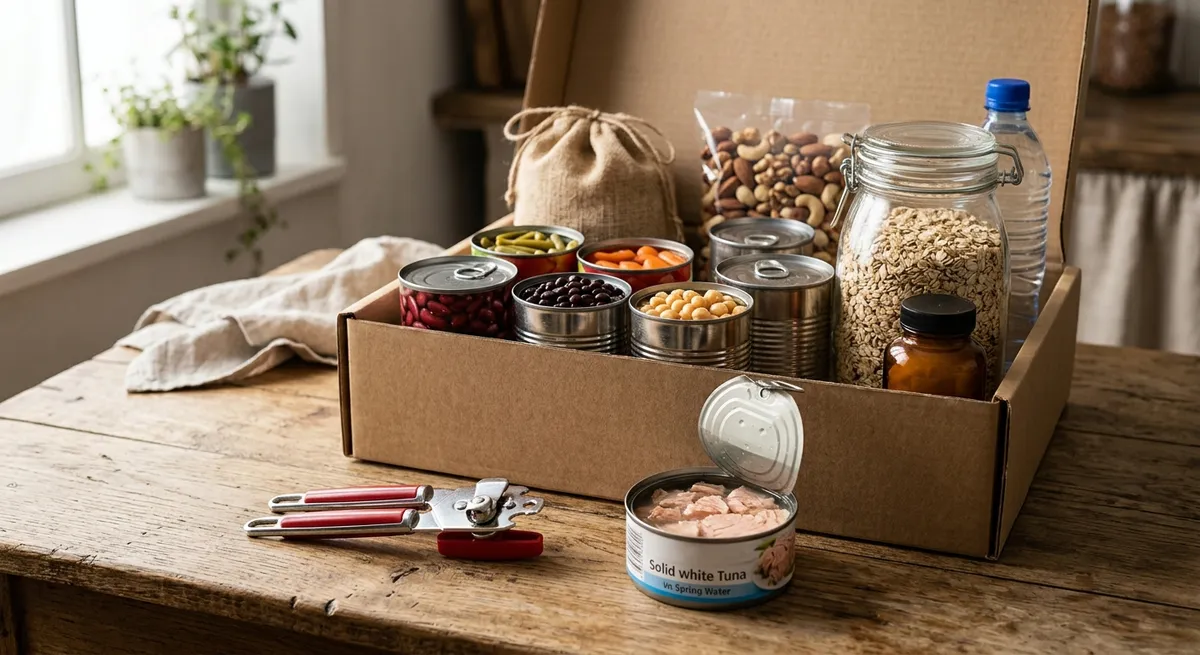
Why Prepare a Nutritious Emergency Stockpile?
Recent warnings from UK officials indicate that many households are ill-equipped for potential food supply disruptions due to various threats like cyberattacks, extreme weather, and disease outbreaks. These incidents can drastically affect the availability of food in our pantries, making it essential to have a well-thought-out emergency food stockpile. However, emergency preparedness shouldn't just mean hoarding nonperishable items; it should encompass nutritious foods that support health and well-being during challenging times.
Creating Your Emergency Pantry: Essential Categories
To effectively build a nutritious emergency stockpile, consider dividing your items into various food groups that can ensure a balanced diet. Here's where to focus:
1. Proteins
- Canned Beans and Legumes: These are great sources of plant-based protein and fiber, which will keep you feeling full.
- Canned Fish (like tuna or salmon): Rich in essential omega-3 fatty acids and protein. They are versatile and can be enjoyed in various meals.
- Nut Butters: A powerhouse of energy, nut butters provide healthy fats and protein in a small serving.
2. Whole-Grain Carbohydrates
- Brown Rice and Quinoa: These whole grains are not only filling but also provide necessary nutrients and fiber. They can be easily prepared and paired with proteins for a balanced meal.
- Whole-Grain Pasta: A versatile staple that works well with canned vegetables and proteins to create a satisfying meal.
3. Canned and Frozen Vegetables
- Canned Vegetables: Look for low-sodium options. They retain nutrients and can be added to soups, stews, or eaten as sides.
- Frozen Vegetables: When possible, stock your freezer with an array of frozen veggies. They can last a long time and maintain their nutrients.
4. Hydration
- Water: Ensure you have a sufficient supply for drinking and cooking. Generally, aim for at least one gallon per person per day for at least three days.
- Electrolyte Powders: Helpful to have on hand for hydration, especially during extreme weather or illnesses.
5. Supplements
- Multivitamins: In emergencies, you may not have access to a full range of foods. A daily multivitamin can help fill in nutritional gaps.
6. Practical Items
- Can Opener: Don’t forget this important tool! It’s essential for accessing canned goods.
- Food Storage Containers: These can help keep items organized and protected from pests.
Common Mistakes to Avoid
It's crucial to avoid some common pitfalls when building your emergency food stockpile:
- Too Much Salt: Many canned items are high in sodium. Always look for low-sodium varieties and aim to balance your choices.
- Neglecting Fiber: High-fiber foods are essential for digestion. Don’t overlook options like whole grains, fruits, and vegetables.
Final Tips for Your Emergency Food Stockpile
- Versatile Meal Planning: Aim to create meals that can easily adapt to what you have in your pantry. For example, a can of tuna can be combined with brown rice, frozen vegetables, and spices for a nutritious meal.
- Regularly Rotate Supplies: Check your stockpile periodically, consuming items that are nearing expiration and replacing them with fresh alternatives.
With the right approach, crafting a nutritious emergency food stockpile can enhance both your preparation for unexpected events and your dietary health. Building a two-week supply that incorporates protein, carbohydrates, vegetables, hydration, and practical items can keep you healthy and safe, transforming emergency preparedness into a routine part of your life. Prepare wisely and stay healthy!