
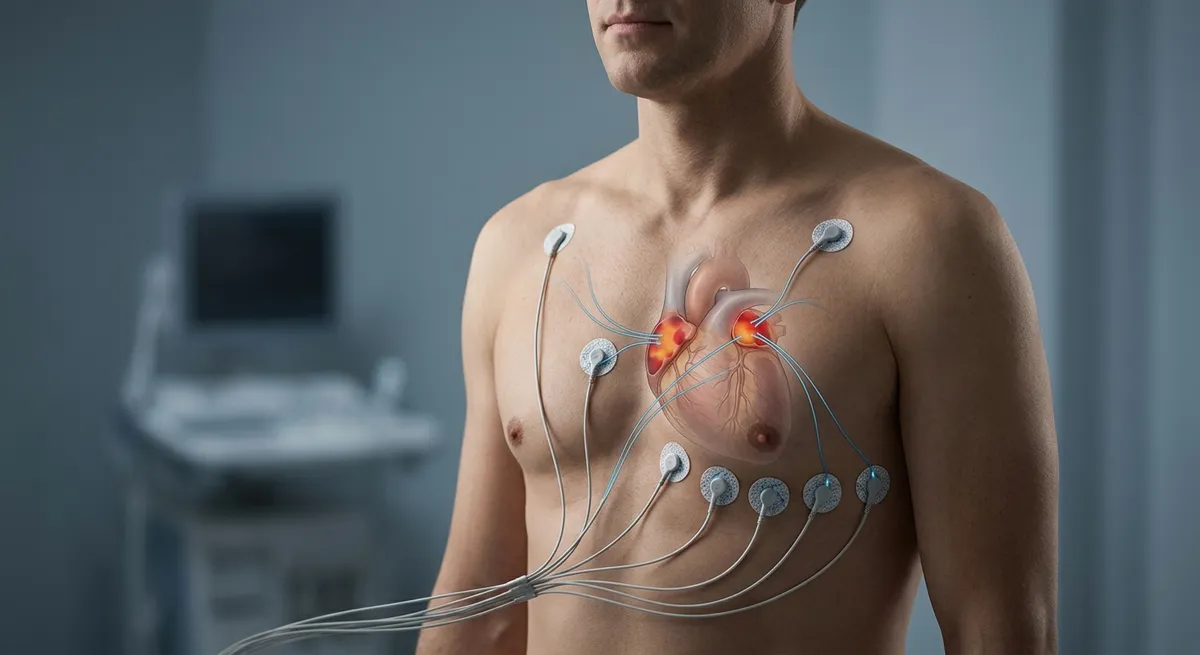
Researchers at the Universitat Politècnica de València (UPV) have developed an innovative artificial intelligence (AI) model that could revolutionize the way we identify heart abnormalities related to atrial fibrillation (AFib). By employing a graph neural network to analyze electrical recordings from the body’s surface, the model has demonstrated 89% accuracy in localizing tissue abnormalities linked to atrial cardiomyopathy, and 84% accuracy in estimating the extent of damage during simulated tests. This groundbreaking approach hints at a future where accurate heart tissue mapping can be performed noninvasively.
What is Atrial Fibrillation?
AFib is a common yet serious heart condition characterized by irregular heartbeats that can lead to complications like stroke and heart-related issues. Identifying the underlying abnormalities in the atrial tissue is crucial for effective treatment and management of AFib. Traditional methods of mapping atrial tissue can be invasive or technologically challenging, often requiring the use of catheters and specialized equipment. The advent of AI technology may bridge some of these gaps, providing a less invasive means to diagnose and treat patients.
The Neuro Network Solution
The model developed by researchers at UPV leverages a graph neural network, a type of deep learning architecture particularly well-suited for understanding complex relationships in data. Instead of relying solely on invasive techniques, this AI model analyzes data from electrical signals recorded on the skin to identify issues within the heart's atrial tissue. Its ability to accurately localize abnormalities enhances the potential for noninvasive cardiac assessments, streamlining diagnosis and possibly even treatment planning for patients with AFib.
Implications for Future Diagnosis
The potential for AI in diagnosing AFib and planning appropriate interventions is significant. If clinical validation succeeds, this AI model could lead to widespread use in routine medical practice. Imagine receiving an accurate assessment of your atrial health simply through sensors on your torso—without the discomfort of invasive procedures. This reflects a broader trend where cutting-edge technology effectively complements healthcare practices, ensuring better patient experiences and outcomes.
The Path Ahead
While the results are promising, it's essential to approach them with cautious optimism. Current findings are based on simulated data, which requires validation through real patient assessments. If proven effective, this model could not only enhance the accuracy of AFib diagnosis but also streamline the planning of catheter ablation procedures, a common treatment for managing AFib.
Conclusion
The journey towards noninvasive heart mapping is just beginning, yet it holds immense possibilities for improving patient care in cardiac health. As researchers at UPV continue to refine and validate their AI model, its impact on future AFib diagnosis and treatment could reshape how healthcare providers diagnose and address this prevalent cardiac ailment. Stay tuned for developments in this emerging field—it could make a substantial difference in how we understand and treat atrial cardiomyopathy.