Michael Samuels of JETSET Pilates appeared on CBS News Chicago's Fitness Friday to demonstrate core-strengthening Pilates moves and highlight the studio's low-impact approach to fitness, per CBS News. The segment's details beyond that aren't something we can walk you through move by move, so this article does something more useful: it shows you how to think about a low-impact core routine, and how to eat around it so the effort pays off.
Why Low-Impact Core Work Fits the Colder Months
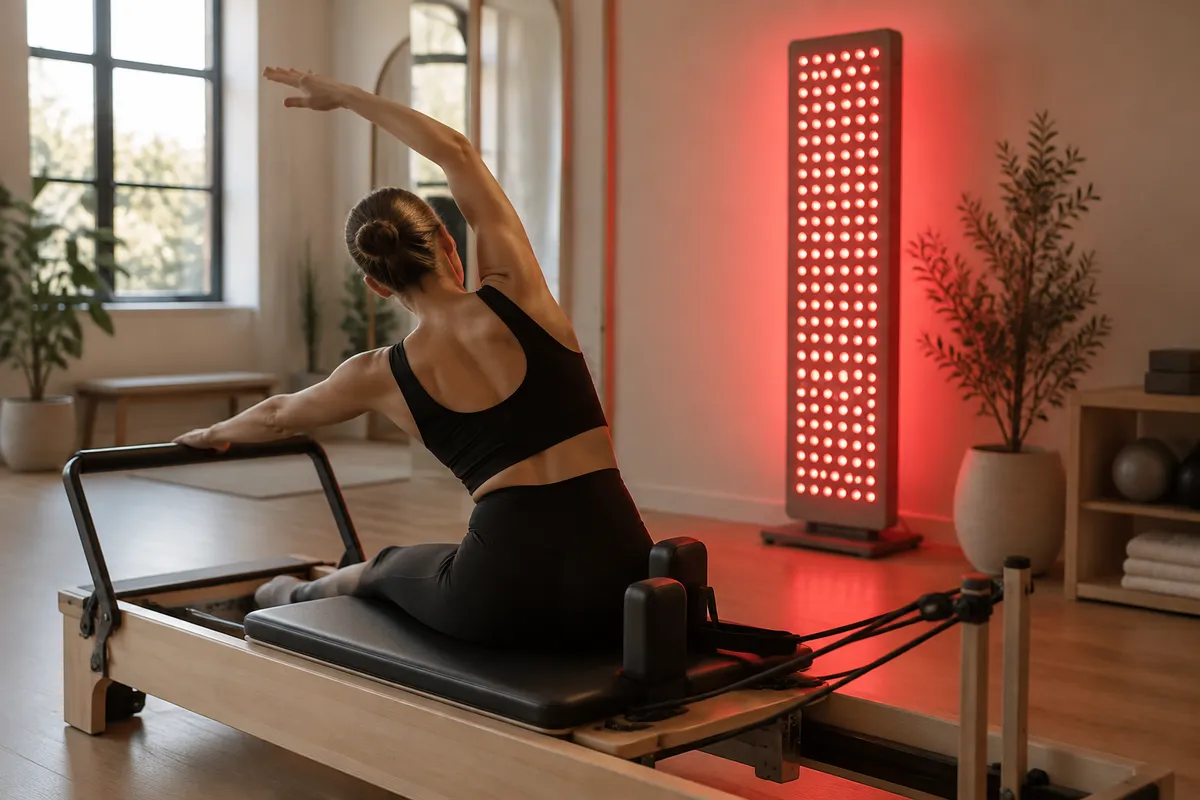
When the weather turns, outdoor runs and long walks get harder to schedule. Pilates is low-impact, which means you can work your core without jumping, pounding pavement, or needing much equipment. That makes it a natural fit for indoor training, whether you go to a studio or stay home.
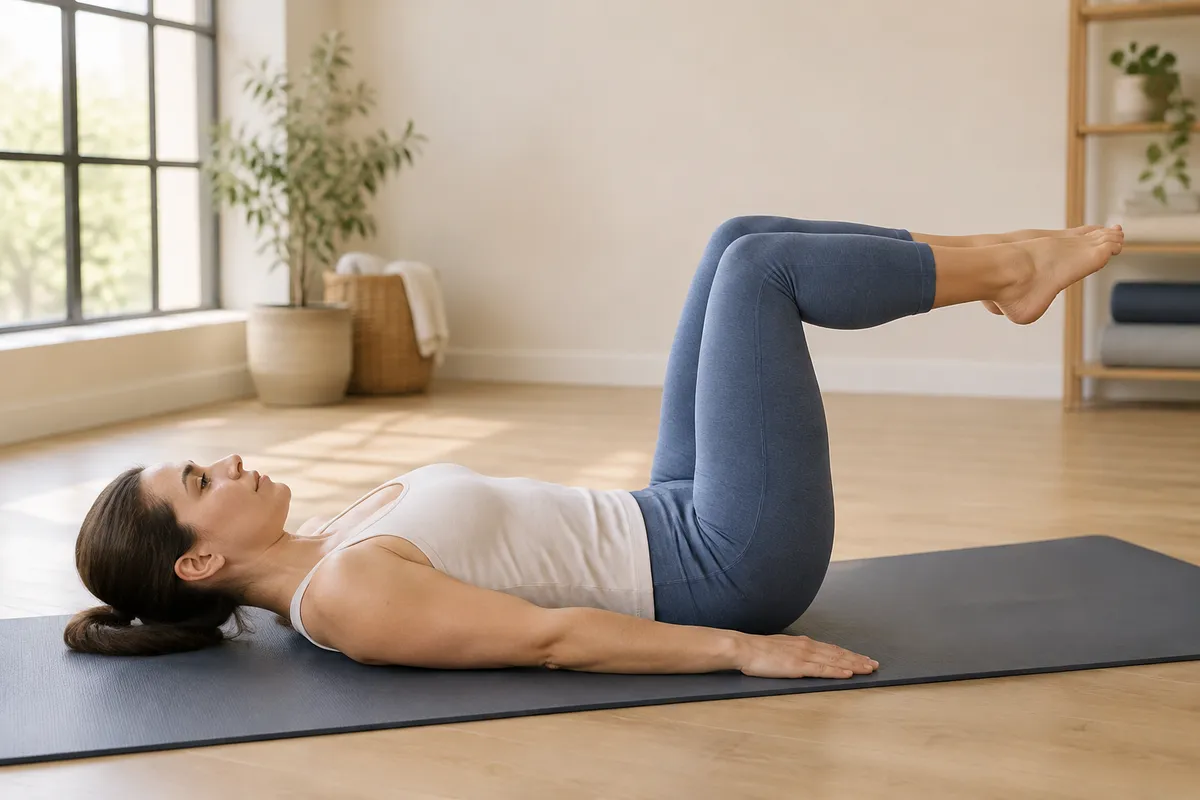
Low-impact doesn't mean easy. The point of core-focused Pilates is controlled effort: slow, deliberate movement that asks your midsection to work. If you've avoided high-impact training because of time, space, or preference, this is an accessible way to stay active.
How to Start a Core Habit You Will Actually Keep
The best routine is the one you repeat. A few practical ground rules:
- Start short. Aim for a few minutes at a time. Consistency beats an ambitious session you skip.
- Pick a fixed slot. Tie it to something you already do, like right after your morning coffee or before dinner prep.
- Move slowly. Control matters more than speed or repetitions.
- Consider a class first. If you're new, an instructor-led session can show you what good form feels like before you practice alone.
If you're curious about JETSET Pilates specifically, check the studio's own site or ask them directly about class formats and what a first visit looks like. The CBS segment is a good introduction, but the studio can answer logistics.
Eating to Support Core Work
Here's where this belongs on a nutrition site: a Pilates session isn't a huge calorie burner by itself, so there's no need for elaborate fueling. Simple, sensible choices do the job.
Before You Move
Skip a heavy meal right before core work, since lying down and twisting on a full stomach is uncomfortable. If you're hungry, a small snack like a banana or a slice of toast with nut butter is usually enough.
After You Move
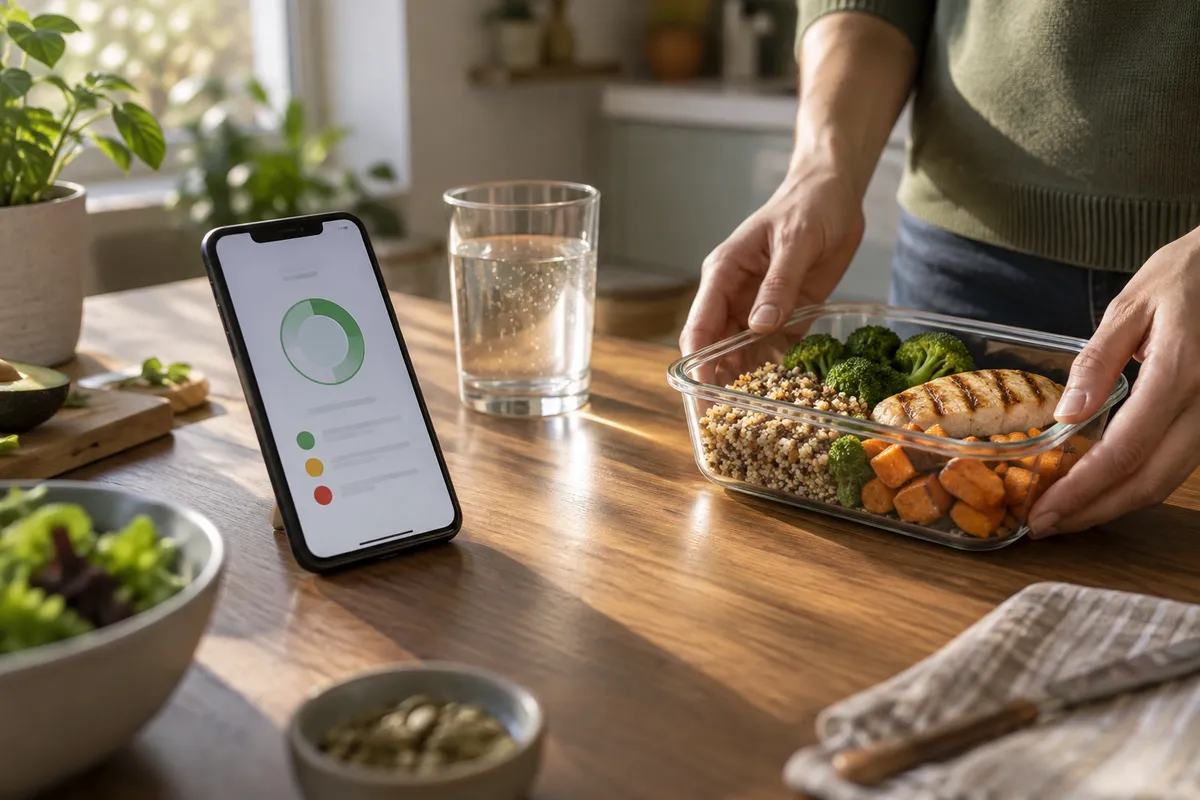
Aim for a balanced bite that includes protein and some carbohydrates. Greek yogurt with berries, eggs with whole-grain toast, or a bowl of beans and rice with vegetables all work. These are general healthy-eating suggestions, not claims from the segment.
Don't Forget Water
Indoor heating dries the air in colder months. Keep a glass of water nearby while you train.
A Myth Worth Dropping
Core exercise doesn't burn fat from your midsection specifically. Strengthening your core improves how you move and hold yourself, but body composition depends on your overall habits, including food, sleep, and activity across the week. Treat core work as one part of Weight & Wellness, not a spot-reduction shortcut.
Build Your Week Around It
You don't need a perfect plan. Try this simple structure:
- Pick two or three days for a short core session.
- Pair each with a protein-forward snack or meal afterward.
- Keep one easy walk or stretch day in the mix.
- Notice how your posture and movement feel after a few weeks.
Play the long game. Choose one time slot this week, put it on your calendar, and show up for it.