A new study suggests an AI model can forecast your next-day migraine risk with 91.2% precision, using nothing more than your headache severity and patterns from the previous 30 days. Per Medical News Today, the model was built on data from more than 53,000 people with migraine. This article covers what the finding means and how to use a "high risk tomorrow" warning to plan your food and drink, without pretending a meal can replace treatment.
What the Study Found
According to Medical News Today, the researchers trained the model on a very large real-world dataset. The key detail is what it leaned on. Your last 30 days of headache history did most of the work. Prodromal symptoms, the early warning signs some people notice before an attack, accounted for only 11% of the model's predictive power.
That challenges a common assumption that you can sniff out a migraine by catching the first signs. Your recent pattern, it seems, says more than how you feel in the moment.
Migraine affects an estimated 12 to 15% of Americans, so even small gains in predictability matter to a lot of people.
Why This Matters for Your Kitchen
A forecast is only useful if you do something with it. The study doesn't test any food or drink interventions, so what follows is general, practical planning rather than study findings. Think of it as reducing the number of variables you control on a day you already suspect is risky.
Build a High-Risk Day Plan
Decide in advance what you'll do, so you aren't improvising when you feel off.
Keep meals regular
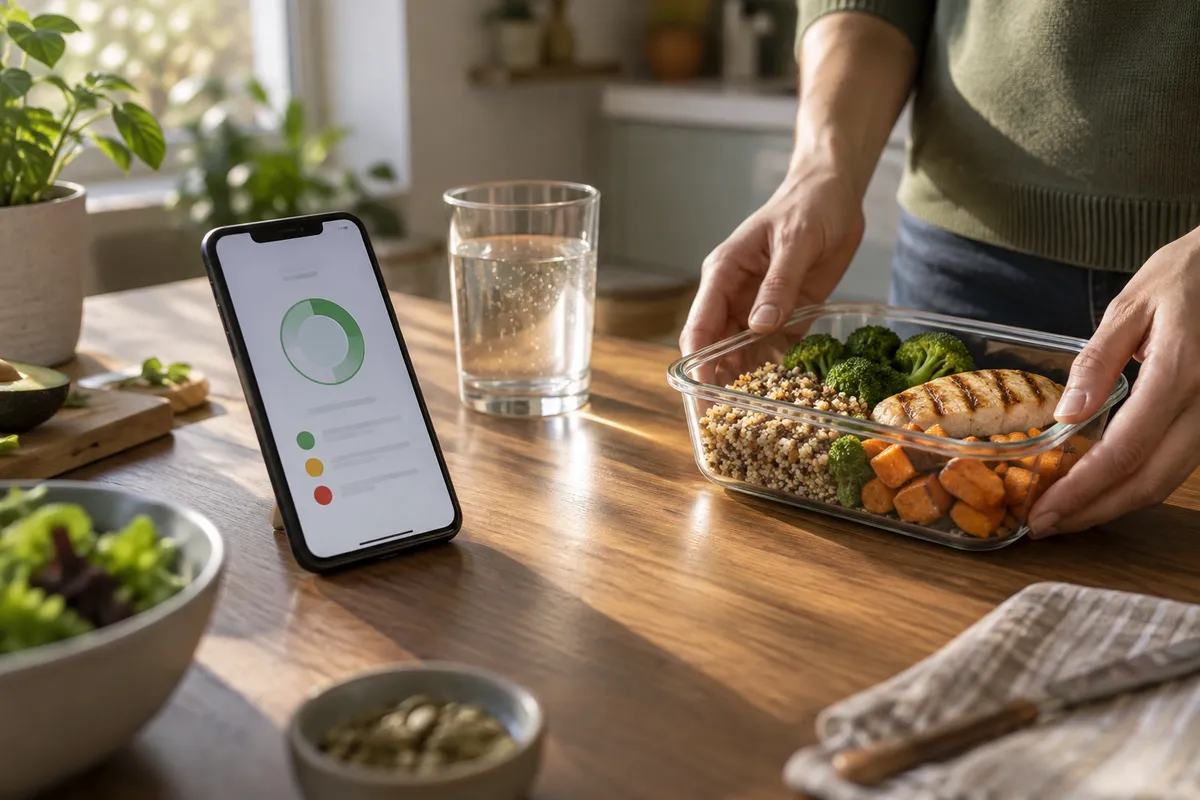
Skipping meals is a commonly reported trigger for many people. On a flagged day, set a simple schedule: breakfast, lunch, and dinner at predictable times, with a snack ready if there's a long gap. Easy options include:
- Greek yogurt with oats and berries
- Whole-grain toast with peanut butter and banana
- A hard-boiled egg and a piece of fruit
- Hummus with carrots and whole-grain crackers
Front-load your water
Dehydration is another frequently cited trigger. Keep a filled bottle where you work and sip steadily from the morning instead of catching up at night. Water-rich foods like cucumber, oranges, and soup help too.
Stay consistent with caffeine
If you drink coffee daily, a sudden change in either direction can be a problem for some people. A forecast day isn't the day to experiment. Keep your usual amount at your usual time.
Skip the experiments
A new restaurant, a heavy night of drinking, or an untested recipe adds unknowns. If you already know certain foods set you off, avoid them. If you don't, a food-and-headache diary can help you spot patterns. That same log happens to be the kind of data the study's approach relies on.
A Simple Make-Ahead Option
When the forecast says high risk, you won't want to cook. Prep a batch of overnight oats on a calmer day: half a cup of rolled oats, half a cup of milk or yogurt, a spoonful of chia seeds, and fruit. It keeps for a couple of days in the fridge, takes no effort, and anchors your morning meal.
The Limits You Should Know
Two cautions are worth keeping in view.
A forecast isn't a treatment. Knowing tomorrow is risky doesn't prevent an attack. An app doesn't replace preventive medication or guidance from your doctor, and food habits are a supporting player at best.
The results may not fit everyone. The study population skewed toward frequent migraine sufferers who already use apps. If your attacks are rare or you don't track them, the model's accuracy may look different for you.
The Quiet Benefit: Less Guessing
One appealing aspect of forecasting is psychological. Living between attacks with constant uncertainty is draining. A prediction, even an imperfect one, gives you something to act on, and a short checklist of meals, water, and routines can make a risky day feel more manageable.
Start Logging Today
You don't need the AI model to benefit from its insight. Since your 30-day pattern appears to matter most, begin tracking headache severity and what you ate and drank each day. Bring that record to your next appointment, and use it to build your own high-risk day plan.