Seed cycling has taken social media by storm as a supposed natural fertility enhancer, suggesting that consuming specific seeds during different phases of the menstrual cycle can positively influence hormone balance. However, fertility specialists highlight the lack of scientific evidence supporting these claims while acknowledging the nutritional benefits of seeds themselves. Let's dive into the reality of seed cycling, separating myth from evidence, and uncover practical nutrition tips for supporting female fertility.
What is Seed Cycling?
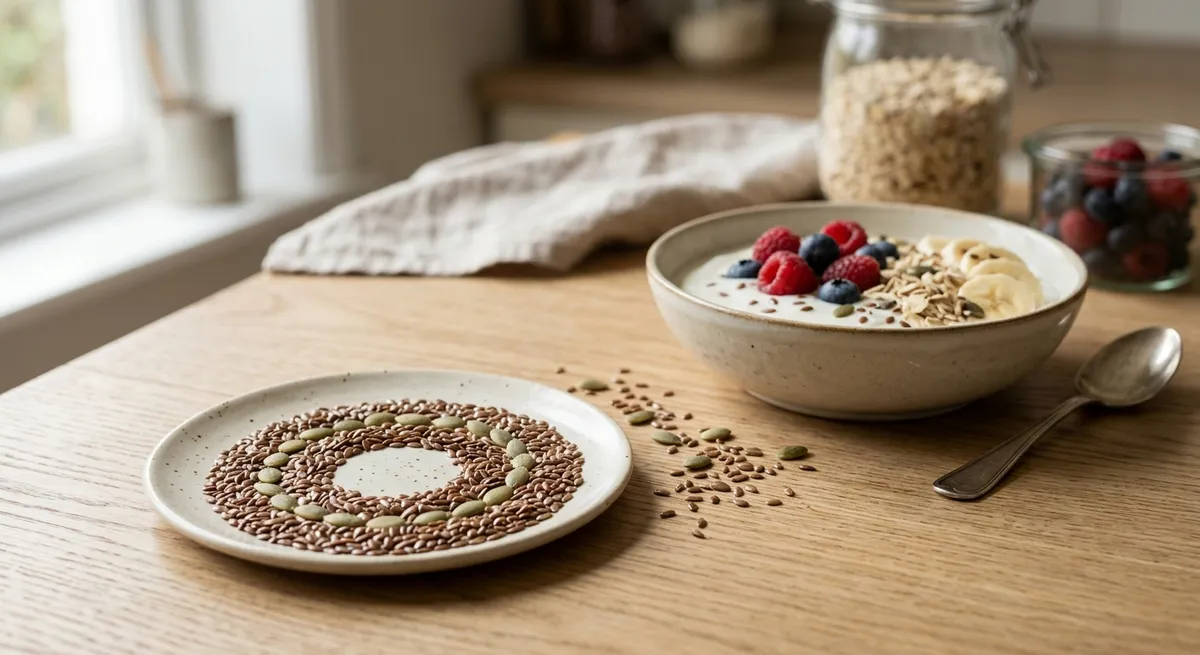
Seed cycling involves eating different types of seeds—specifically pumpkin and flax seeds in the follicular phase, and sesame and sunflower seeds in the luteal phase of the menstrual cycle. Proponents claim that these seeds help regulate hormone levels and enhance fertility through their purported nutrient profiles.
The Scientific Perspective
Despite the popularity of seed cycling on platforms like TikTok and Instagram, experts assert that more rigorous research is needed to validate its claims. "There’s insufficient scientific evidence that seed cycling truly boosts fertility or hormone balance," states fertility specialist Dr. Jane Smith. The notion that specific seeds can influence hormone production at certain times of the cycle lacks substantial support from clinical studies. Instead, it is crucial to focus on general dietary patterns that promote reproductive health.
Nutritional Benefits of Seeds
While the concept of seed cycling may not stand on solid scientific ground, seeds indeed pack a nutritional punch. Here are some key nutrients commonly found in seeds that are beneficial for overall health:
- Omega-3 Fatty Acids: Found in flaxseeds, these healthy fats support hormone production and help reduce inflammation.
- Zinc: Present in pumpkin seeds, zinc plays a critical role in ovulation and is vital for reproductive health.
- Essential Amino Acids: Seeds contain amino acids necessary for the body's ability to produce and balance hormones.
Adding a variety of seeds to your diet can enhance your overall nutrient intake without strict adherence to the phases of your menstrual cycle.
Practical Ways to Incorporate Seeds into Your Diet
Instead of focusing on the timing of seed consumption, consider these practical ways to include a range of seeds in your meals:
- Smoothies: Blend a tablespoon of flaxseeds or chia seeds into your morning smoothie for added fiber and omega-3s.
- Salads: Sprinkle pumpkin and sunflower seeds on top of salads for a crunchy texture and nutrient boost.
- Snack Bars: Make homemade energy bars loaded with seeds, oats, and dried fruits for a healthy snack option.
- Baking: Incorporate ground seeds into pancake or muffin recipes for a nutritious twist.
Understanding Your Fertility
It’s essential to recognize that while nutrition plays an important role in reproductive health, factors such as age, ovulation cycles, and overall health are significant determinants of fertility. Consulting with a healthcare professional is advisable for addressing fertility concerns or exploring natural fertility solutions.
Red Flags in Natural Fertility Trends
While it’s great to explore natural options for health, it's crucial to remain vigilant against myths like seed cycling that may create unrealistic expectations. Relying solely on trendy diets can divert attention from necessary medical evaluations or treatments for issues like PCOS or thyroid dysfunction. If you experience irregular menstrual periods or other health concerns, seek medical guidance rather than merely experimenting with dietary shifts.
Conclusion
Seed cycling might be trending, but its scientific backing is weak. Instead, focus on incorporating a balanced diet rich in various seeds and other healthy foods to support your fertility and overall health. Remember to consult healthcare professionals for personalized guidance, ensuring you're making informed choices for your well-being.