A recent University of Queensland study has revealed that cultivating a home garden could significantly decrease your risk of developing type 2 diabetes by 6.8%. This finding sheds light on the value of green spaces and home gardening as simple yet effective lifestyle choices that can be integrated into urban living. Let’s dive deeper into the science behind gardening's benefits and explore how you can create your own garden to enhance your health.
The Health Benefits of Gardening
Gardening connects you with nature and offers a multitude of health benefits that contribute to reduced diabetes risk. Here’s how:
1. Vitamin D Boost
When you’re outside tending to your plants, you’re likely soaking up valuable sunlight. This exposure helps your body synthesize vitamin D, crucial for metabolic health and potentially lowering your risk for diabetes.
2. Physical Activity
Gardening is a great way to engage in physical activity without the need for a gym membership. Activities like digging, planting, and weeding all contribute to increased calorie burn and enhanced fitness levels. Regular exercise improves insulin sensitivity, playing a key role in diabetes prevention.
3. Mental Well-Being
The act of gardening is also therapeutic. Spending time outside, away from screens, and nurturing plants can significantly reduce stress. Chronic stress is linked to many health problems including type 2 diabetes. Gardening can foster mindfulness and a sense of accomplishment, which benefits mental health.
4. Gut Health
Interestingly, gardening exposes you to diverse microorganisms in the soil, which can enhance your gut microbiome. A healthy gut is linked to numerous metabolic processes, including insulin regulation, thus contributing to diabetes prevention.
Creating Your Own Home Garden
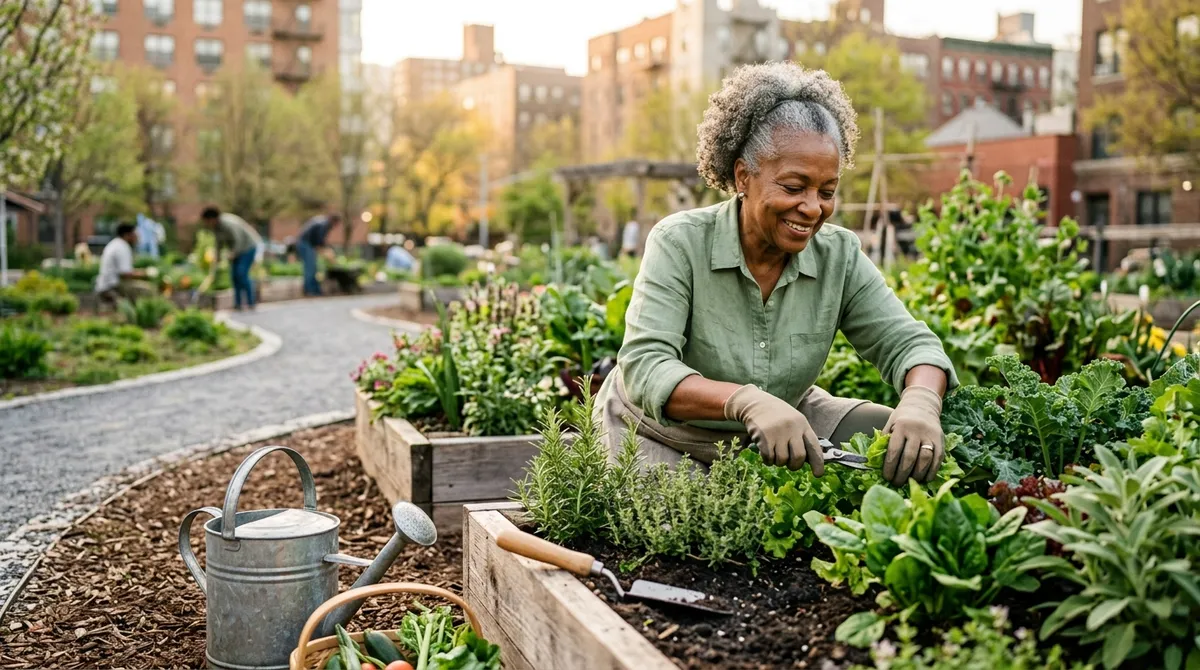
Starting a home garden doesn’t need to be overwhelming. You can create a thriving garden in your own backyard or even on your balcony. Here are some steps to get you started:
1. Choose Your Space
Identify a suitable area in your yard, or if you’re limited on space, consider container gardening on a patio or balcony. Ensure the chosen area receives ample sunlight for most of the day.
2. Select Your Plants
Opt for plants that you love to eat and that grow well in your local climate. Herbs like basil and mint, as well as vegetables such as tomatoes and peppers, are great options for beginners.
3. Soil and Nutrition
Invest in quality soil and consider using organic compost to nourish your plants. The healthier your plants grow, the more you’ll enjoy both tending them and eating them!
4. Regular Maintenance
Consistency is key. Make a schedule for watering, weeding, and harvesting your plants. This will not only ensure a bountiful harvest but also provide you with regular physical activity.
5. Incorporate Gardening into Your Routine
Aim to spend at least 30 minutes on gardening a few times a week. This time commitment showcases gardening as both an enjoyable hobby and a beneficial way to stay active.
Advocating for Green Spaces
While home gardening offers personal health benefits, larger changes are necessary at the community level. With diabetes cases expected to double worldwide by 2050, as emphasized in the UQ study, advocating for green spaces and community gardens is vital for preventive health. Here’s how you can help:
- Participate in Community Discussions: Attend local planning meetings and advocate for more parks and gardens.
- Support Local Initiatives: Get involved with community gardens, and support policies that prioritize green spaces in urban planning.
- Educate Others: Share the benefits of gardening and green spaces with your friends and community to raise awareness about their importance in public health.
Final Thoughts
Integrating gardening into your life is more than just cultivating plants; it’s a step towards better health and preventing type 2 diabetes. By starting a garden, getting active, and advocating for green spaces, you pave the way for personal and communal benefits that can lead to healthier living for everyone. So grab your gardening gloves, and let’s get planting—your health could depend on it!