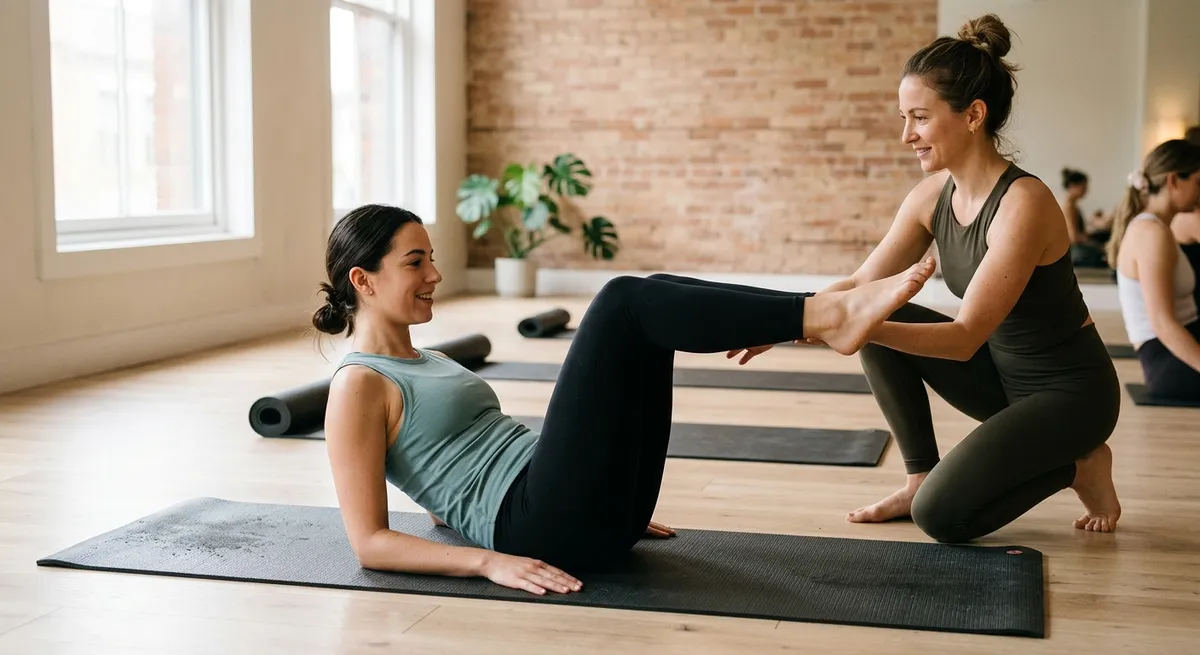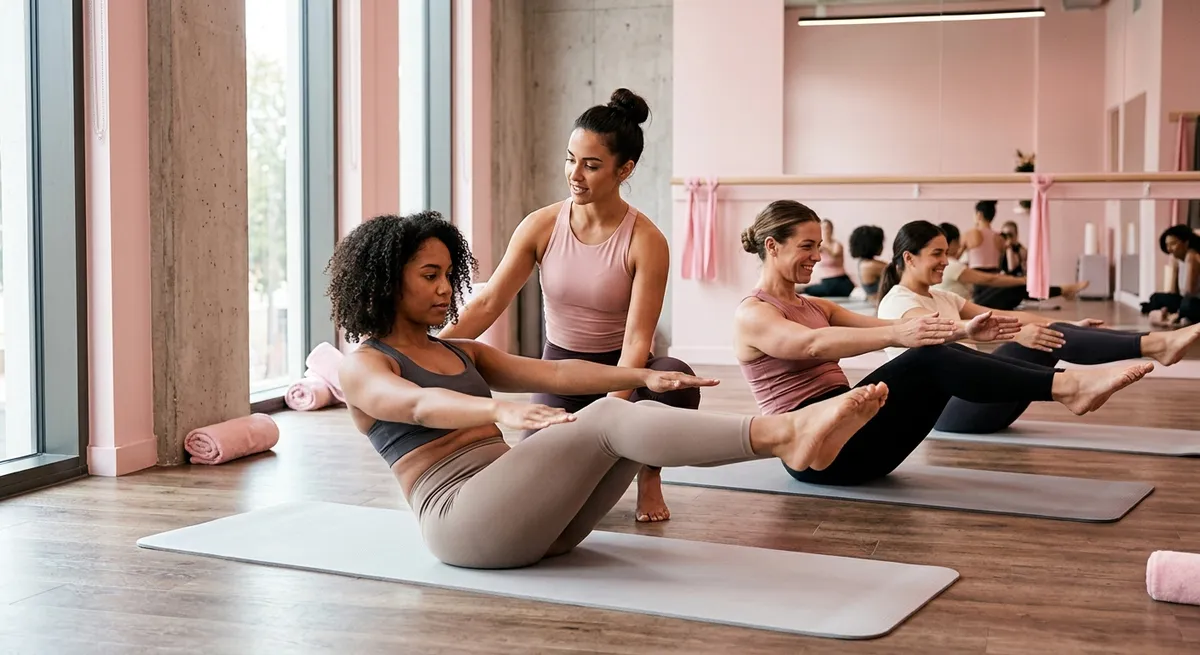
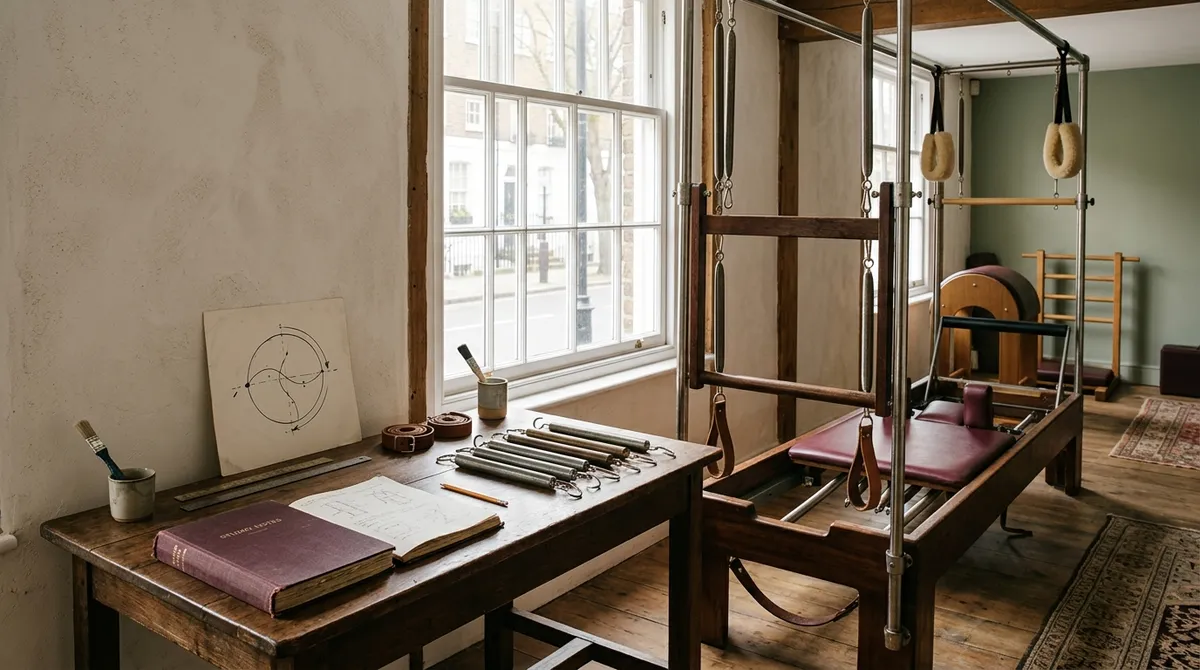
LifeSpan Pilates has recently launched 'Pilates Roots', an important educational resource that sheds light on the authentic history and principles of Joseph Pilates' method, known as Contrology. With the rise in popularity of Pilates, the term "classical Pilates" has become a frequent buzzword, often used without consistent standards. This presents a challenge for enthusiasts seeking genuine instruction and a legitimate lineage in their Pilates journey.
Understanding Classical Pilates
The term classical Pilates is frequently thrown around, and while many studios may claim to offer it, the truth is that the definition has become clouded. It’s crucial to understand that the integrity of Pilates as developed by Joseph Pilates involves a committed adherence to his methodology. With so many interpretations of his work, distinguishing authentic teachings from mere marketing soundbites can be complex.
What Sets Authentic Pilates Apart?
1. Certified Lineage
One of the most impactful ways to evaluate a Pilates instructor or studio is by understanding their lineage. Authentic Pilates training programs should be rooted in a documented lineage that connects back to Joe Pilates himself. For example, Romana Kryzanowska, a protégé of Picasso Pilates, established Romana's Pilates International as a benchmark for quality and authenticity in the teachings of Contrology. When searching for a studio, inquire about the instructors’ certifications and their direct connection to this lineage.
2. Training and Education
Teachers who undergo rigorous training in traditional Pilates equip themselves with not just the repertoire of exercises, but also a deep understanding of the underlying principles. Authentic training programs often include a comprehensive approach encompassing anatomy, movement patterns, and teaching pedagogies. Ensure that your potential instructor has completed a thorough training program that aligns with Joseph Pilates’ original teachings.
3. Focus on Contrology
Joseph Pilates called his method Contrology for a reason: it highlights the importance of the mind-body connection and the principle of control over one’s movements. A qualified instructor will emphasize these aspects in their teaching, leading classes that focus on precision and body awareness rather than just performing exercises on equipment. Look for studios where instructors actively incorporate these principles into their practice.
Red Flags to Watch Out For
Be aware of signs that suggest a studio may not adhere to authentic practices. If a studio promotes fitness gimmicks or offers classes that prioritize high-intensity workouts over foundational principles, this could be a warning sign. Authentic studios focus on quality over quantity; they teach the why behind each exercise and foster an environment where students are encouraged to explore their own understanding of movement.
Connecting with Your Instructor
When searching for a Pilates instructor, consider scheduling a trial class or an introductory session. Use this time to ask questions about their training background, the lineage of their certification, and how they apply Joseph Pilates' principles in their classes. Authentic instructors are usually enthusiastic about sharing their knowledge and insights.
The Full Spectrum of Pilates
Remember, Pilates is more than just Reformer classes. A well-rounded program should incorporate mat work, apparatus work, and an understanding of Pilates’ historical context. The full method developed by Joseph Pilates offers a rich array of exercises that improves strength, flexibility, and mind-body awareness. By seeking authentic training, you’ll not only gain physical benefits but also a deep appreciation for the artistry behind Contrology.
The Takeaway
When it comes to classical Pilates, authenticity matters. Ensure that you choose a studio and instructor that respect the lineage and principles of Joseph Pilates' work to truly experience the benefits of this timeless practice. Your Pilates journey should include education, connection, and dedication to the authentic method.