
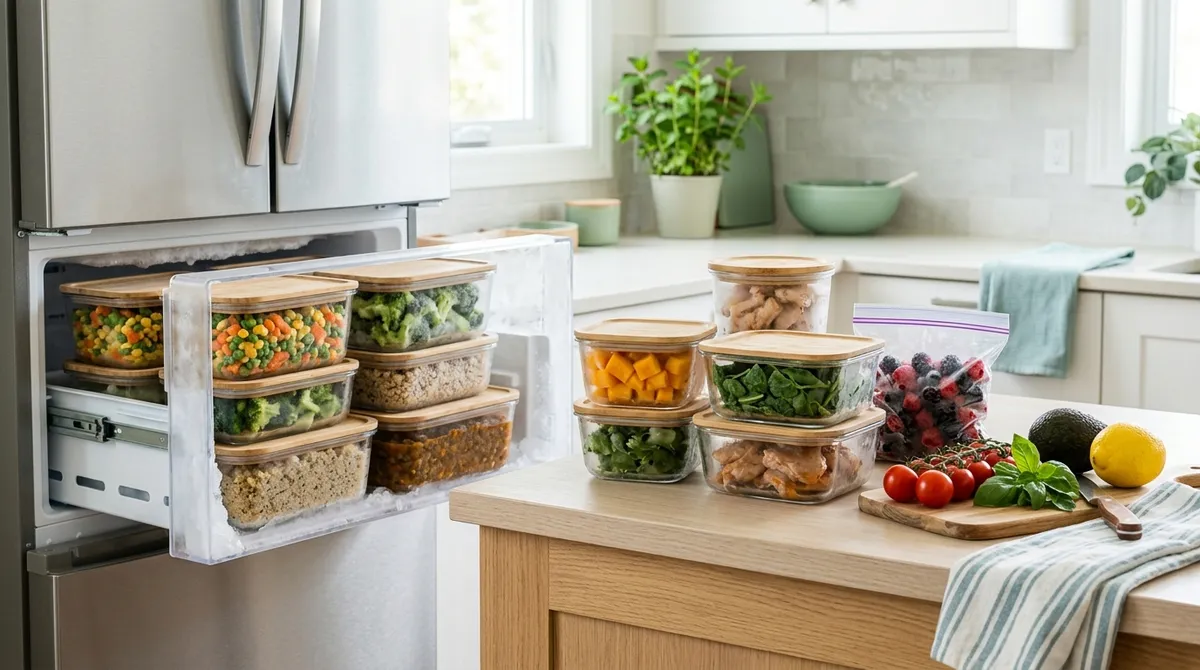
Frozen foods have undergone a remarkable transformation, becoming an essential part of modern kitchens. Today, they offer convenience and quality, enabling home cooks to prepare delicious meals while minimizing food waste. The evolution of frozen foods can be attributed to advancements in technology and changing consumer preferences for quick yet nutritious meal options.
The Rise of Frozen Foods
Frozen foods have grown in popularity as they provide a practical solution for busy lifestyles. They allow consumers to prepare meals swiftly without compromising on taste or nutritional value. Moreover, frozen foods help in significantly reducing food waste, as they can be stored for extended periods without losing their quality. This aspect makes them an environmentally friendly option compared to fresh produce, which tends to spoil quickly.
Quality and Taste: No Longer Mutually Exclusive
In the past, frozen foods were often criticized for lacking flavor and freshness. However, technological advances in freezing methods have revolutionized this perception. Today's frozen foods retain more nutrients and taste due to flash-freezing techniques that lock in freshness at the peak of ripeness. This ensures that the quality of meals served from the freezer is comparable to those made with fresh ingredients.
Innovative Freezing Techniques
Modern freezing techniques, such as Individually Quick Frozen (IQF) methods, have transformed the industry. IQF allows each piece of food to be frozen separately, preventing clumping and maintaining texture. This innovation provides consumers with the flexibility to use only the amount needed, reducing waste.
Variety and Accessibility
The frozen food aisle is no longer limited to basic vegetables and ready-to-eat meals. It now offers a diverse range of products, including gourmet options and specialty items catering to various dietary needs. Whether you're looking for gluten-free, vegan, or organic options, the frozen section has something to suit your preference. This variety ensures that everyone can find convenient meal solutions without compromising their dietary requirements.
Time-Saving Solutions
For individuals with hectic schedules, frozen foods are a time-saving blessing. They eliminate the need for extensive meal prep and allow for quick meal assembly, making it easier to enjoy a home-cooked meal even on the busiest days. This convenience is particularly beneficial for families, where preparing different meals to suit everyone's tastes can be time-consuming.
Reducing Food Waste
One of the most significant benefits of frozen foods is their role in reducing food waste. With their extended shelf life, they help consumers avoid throwing away spoiled food. Additionally, using frozen ingredients allows for precise portion control, ensuring that no food goes to waste. This not only helps in saving money but also contributes to environmental sustainability by minimizing overall waste.
Environmental Impact
Frozen foods contribute to sustainability by reducing the carbon footprint associated with frequent grocery trips. Buying in bulk and freezing ensures that consumers make fewer trips to the store, thus decreasing emissions from travel. Moreover, less food waste means less methane produced from decomposing food in landfills, further benefiting the environment.
Conclusion: Embracing the Frozen Food Revolution
Incorporating frozen foods into daily meals offers numerous benefits, from saving time and reducing waste to enjoying quality and variety. As the frozen food industry continues to innovate, these products will undoubtedly become an even more integral part of our culinary experiences. Embracing frozen foods means enjoying the best of both worlds: convenience and quality, all while contributing positively to the planet.