Rethinking Your Protein Intake
Protein often takes center stage in discussions about diet, especially when it comes to boosting longevity and optimizing health. A new perspective paper suggests that many adults might benefit from doubling the current protein guidelines—pushing the target from merely preventing deficiency to enhancing overall health. So, how much protein should you actually incorporate into your daily diet? Let’s break it down!
Understanding Protein Needs
Most traditional dietary guidelines recommend a minimum protein intake of about 0.8 grams per kilogram of body weight. However, experts now argue that a more effective target lies within the range of 1.2 to 1.6 grams per kilogram. This adjustment reflects a growing emphasis on quality and personal dietary needs rather than absolute minimums.
To determine your personalized protein goal, you can follow this simple formula:
- Weigh yourself (in kilograms): Divide your weight in pounds by 2.2 to convert to kilograms.
- Multiply by your protein target: Choose a target that fits your lifestyle –
- 1.2 g/kg for generally active adults
- 1.6 g/kg for those engaging in regular workouts or physical labor
- Consider higher targets if you are older, aiming for muscle preservation, or using GLP-1 medications to assist with weight loss.
For example, if you weigh 70 kg (approximately 154 lbs), your protein needs would be:
- Active adult: 70 kg x 1.2 = 84 grams of protein per day
- Regular workout routine: 70 kg x 1.6 = 112 grams of protein per day
Choosing Quality Protein Sources
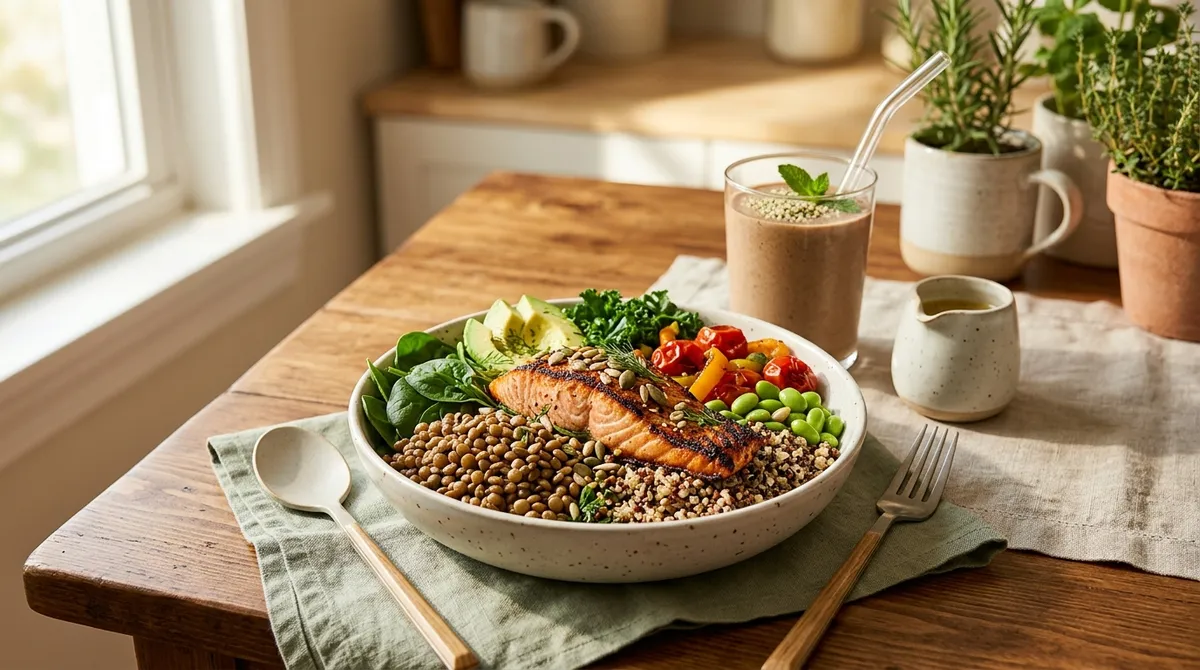
Once you have calculated your protein needs, the next step is selecting quality protein sources. It's essential to prioritize whole foods over processed options to maximize health benefits. Here are some quality protein sources to consider:
- Lean meats (chicken, turkey, and fish)
- Plant-based proteins (tofu, lentils, quinoa, beans, and chickpeas)
- Dairy options (Greek yogurt and low-fat cottage cheese)
Incorporating a variety of these sources not only helps you meet your protein targets but also provides essential micronutrients that support overall health. For instance, legumes are rich in fiber, which complements your protein intake and aids digestion.
Avoiding Common Mistakes
While focusing on increasing protein, some may fall into common traps. Here are some pitfalls and how to avoid them:
- Over-reliance on processed meats: Products like sausages or bacon can contain high levels of sodium and unhealthy fats. Instead, opt for grilled or baked meats and fish.
- Neglecting fiber: A high-protein diet should not crowd out fiber-rich foods like fruits, vegetables, and whole grains. Every meal should include a balance of macronutrients.
- Ignoring hydration: Increased protein intake can lead to greater water needs. Make sure to drink plenty of water throughout the day to stay hydrated and support kidney function.
Tailoring Protein Intake to Your Lifestyle
Your protein needs may vary based on your lifestyle, age, and health goals. Here’s how to adapt:
- For older adults: Higher protein intake can help combat age-related muscle loss and improve bone health. Focus on easily digestible sources like yogurt and eggs.
- For GLP-1 users: Tailor your protein sources to include low-calorie, nutrient-dense options. Beans and pulses can be advantageous since they are high in protein and fiber while also keeping you full longer.
- For vegans and vegetarians: Ensure to combine different plant-based proteins (like rice and beans) to get a complete amino acid profile. Consider protein-rich snacks like hummus or nuts.
Final Thoughts
Understanding how much protein you should consume and making informed choices about protein sources can greatly enhance your long-term health. Not only will personalized protein targets help with muscle preservation and metabolic health, but they will also contribute to your wellness journey overall. Start tracking your intake, adjust your sources, and prepare meals that fulfill both your protein and fiber needs—your body will thank you for it!