The Great Chablis Challenge: Can Supermarket Wines Compete?
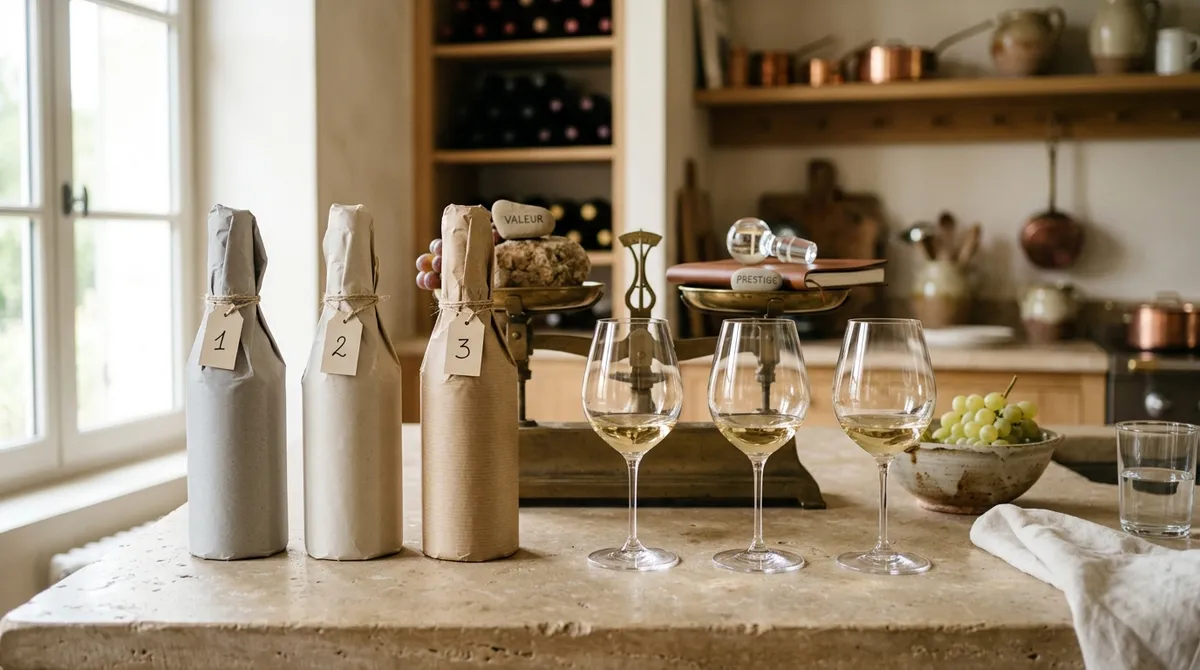
A recent blind tasting experiment has challenged the assumption that expensive wines always deliver superior quality, according to reports from wine experts examining supermarket Chablis selections. With cost-of-living pressures mounting, wine enthusiasts are increasingly questioning whether premium pricing truly reflects better quality—or if clever shopping can uncover exceptional bottles at lower prices.
What Makes Chablis Special
Chablis, a prestigious Burgundy region in France, produces distinctive Chardonnay wines that stand apart from their counterparts worldwide. According to the tasting analysis, what makes Chablis unique is its fossil-rich soil composition and growing conditions. The vines root an impressive 15 feet deep into the earth without requiring irrigation, creating the region's signature flavor profile of marzipan and bright lemon notes.
This terroir-driven approach results in wines that express their specific vineyard location, offering the characteristic zippy citrus, saline notes, and buttery richness that Chablis enthusiasts prize. Understanding these flavor markers becomes crucial when shopping for quality bottles across different price points.
The Surprising Winner
In the blind tasting challenge, a £25 Tesco Chablis Premier Cru emerged as the clear winner, according to reports. This mid-range supermarket selection beat both more expensive options and cheaper alternatives through its superior balance of richness, acidity, and complexity.
The victory demonstrates that supermarket wines can indeed compete with premium bottles when buyers know what to look for. The winning wine showcased the ideal Chablis characteristics—that perfect harmony between mineral-driven acidity and creamy texture that defines the region's best expressions.
Budget-Friendly Excellence at £13
Perhaps even more surprising was the strong performance of a £13 Lon Deloney Chablis, which performed exceptionally well in the blind tasting. This discovery proves that excellent supermarket Chablis exists at mid-range prices, offering wine lovers quality options without stretching their budgets.
The success of this moderately priced bottle reinforces the idea that smart shopping can yield impressive results, particularly when shoppers understand the key quality indicators to seek out.
Shopping Smart: What Really Matters
The tasting revealed that traditional wine classifications don't always predict quality, according to the analysis. When shopping for bottles under £15, factors like grower reputation and vineyard age—particularly old vines—can matter more than official designations such as Premier Cru versus village Chablis.
This insight empowers budget-conscious wine buyers to look beyond labels and marketing claims, focusing instead on producers known for quality and vineyards with established reputations.
Red Flags to Avoid
The expert analysis highlighted several warning signs that indicate poor-quality Chablis, regardless of price point. Wines to avoid include those that taste flat, overly acidic, or one-dimensional. Quality Chablis should express the complexity that comes from proper terroir expression—that unique combination of soil, climate, and winemaking technique that makes the region special.
Instead, seek wines that demonstrate the classic Chablis profile: zippy citrus notes balanced with saline minerality and subtle buttery richness. These characteristics indicate that the wine properly expresses its terroir and represents good value.
The Bigger Picture for Wine Buyers
This blind tasting experiment reflects a broader trend of consumers questioning premium pricing across food and beverage categories. As shoppers become more discerning and budget-conscious, understanding quality indicators becomes more valuable than relying on price as a quality guide.
The results suggest that with proper knowledge about what constitutes quality in specific wine regions, consumers can make smarter purchasing decisions without sacrificing taste or experience. This approach to wine buying—focusing on characteristics rather than price tags—could revolutionize how people approach wine shopping.
For Chablis lovers working within budget constraints, the key lies in understanding the region's distinctive qualities and seeking bottles that express these characteristics, regardless of their position on the shelf or their price point.