The Perfect Pakode: A Chef's Guide to Crispy Perfection
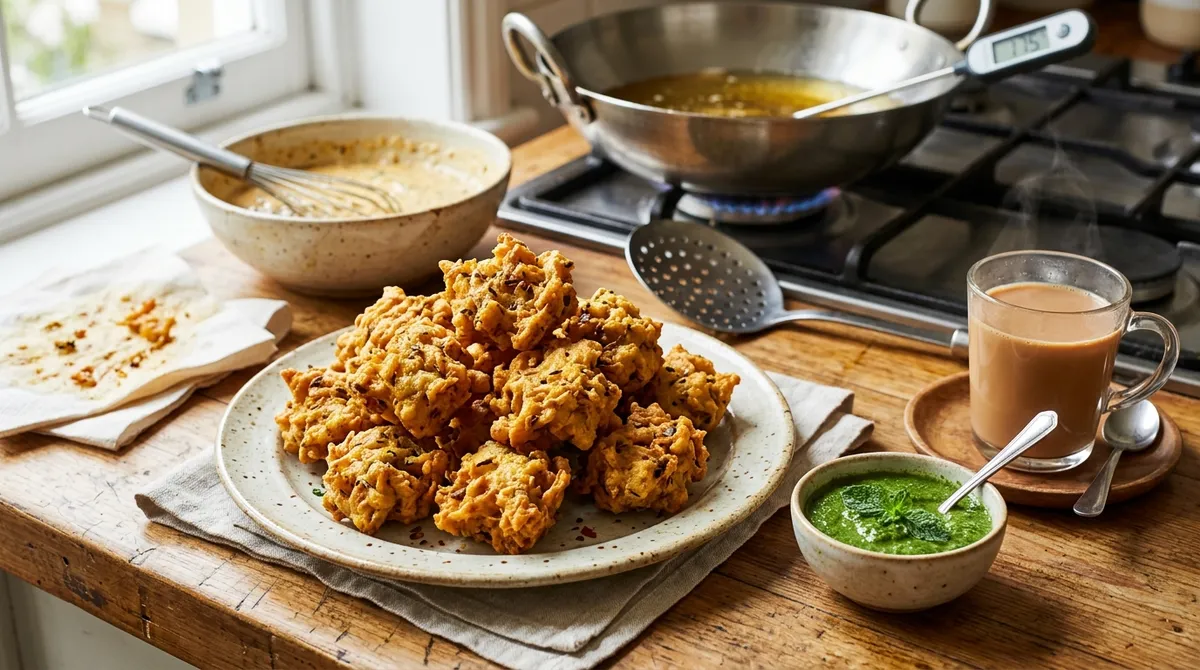
The beloved combination of crispy pakode and chai represents comfort food at its finest, especially during snack cravings and rainy weather seasons. However, many home cooks struggle with achieving the perfect texture, often ending up with soggy, oil-laden pakode instead of the crispy, fluffy versions found at street stalls.
MasterChef Pankaj Bhadouria recently addressed this common kitchen challenge, sharing five smart techniques that can transform your moong dal pakode from disappointingly oily to irresistibly crispy. According to reports, these chef-approved methods focus on batter technique, strategic ingredient additions, and proper frying temperature control.
Skip the Water, Perfect the Whisk
The first crucial tip involves eliminating water from your pakode preparation entirely. Instead of adding water to create the batter, Chef Bhadouria recommends avoiding this common mistake and focusing on whisking the mixture well. This technique helps achieve the proper consistency without introducing excess moisture that can lead to soggy results.
Proper whisking technique creates the foundation for crispy pakode by ensuring all ingredients are thoroughly incorporated while maintaining the right texture for optimal frying.
The Rice Flour Secret
Incorporating rice flour into your moong dal pakode batter serves as a game-changing addition for achieving street-style crunch. According to the chef's recommendations, rice flour helps create that coveted crispy exterior texture that distinguishes professional-quality pakode from homemade versions.
This ingredient works by creating a lighter, crispier coating that holds its texture even after frying, ensuring your pakode maintain their crunch rather than becoming soft and chewy.
Baking Soda for Fluffiness
The third tip involves adding baking soda to the batter mixture. This leavening agent creates the fluffy, light interior texture that contrasts beautifully with the crispy exterior. The baking soda helps the pakode puff up during frying, creating air pockets that contribute to both texture and reduced oil absorption.
Timing the addition of baking soda properly ensures maximum effectiveness in creating that perfect fluffy consistency that makes pakode so appealing.
Hot Oil Integration Technique
Adding hot oil directly to the batter represents another professional technique for achieving superior pakode texture. This method, recommended by Chef Bhadouria, helps create a preliminary cooking effect that contributes to the final crispy texture while also helping to reduce overall oil absorption during the frying process.
The hot oil addition technique requires careful timing and temperature control to achieve the desired effect without compromising the batter's consistency.
Temperature Control for Less Oil
The final tip focuses on proper oil temperature checking, which proves crucial for achieving both crispiness and reduced oil absorption. According to reports, maintaining the correct frying temperature ensures that pakode cook quickly on the outside while remaining fluffy inside, preventing excessive oil penetration.
Proper temperature control represents the difference between pakode that absorb too much oil and those that achieve the perfect balance of crispy exterior and light interior texture.
Common Mistakes to Avoid
Many home cooks struggle with pakode preparation due to common mistakes that lead to oily, soggy results. The chef's recommendations address these fundamental issues by focusing on batter consistency, ingredient selection, and frying technique.
Understanding why pakode turn soggy helps home cooks identify and correct their approach, leading to consistently better results that rival street-food quality.
Achieving Street-Style Results at Home
These five professional techniques offer home cooks the opportunity to create restaurant-quality moong dal pakode without the guesswork. By implementing proper batter preparation, strategic ingredient additions, and correct frying methods, anyone can achieve that coveted street-style crunch and fluffy texture.
The combination of these methods addresses the most common challenges in pakode preparation, providing a comprehensive approach to achieving consistently crispy, less oily results that pair perfectly with chai for the ultimate comfort food experience.