
Exam season can stretch concentration, energy and mood to their limits, so the right food choices matter. A steady routine built around balanced meals, smart snacks, hydration, sleep and movement can help students feel calmer, think more clearly and avoid the mid-study slump.
Why nutrition matters during exam season
The brain is a demanding organ. It needs a constant supply of fuel to support memory, attention and problem solving. During heavy revision, students often sit for long hours, skip meals or grab sugary snacks. These habits can lead to energy crashes and poor focus.
Good nutrition will not replace revision. However, it can create better conditions for learning. Meals with protein, fibre and slow-release carbohydrates help keep blood sugar more stable. This supports sustained concentration and reduces the urge to snack constantly.
Stress can also affect digestion, appetite and sleep. Some students lose interest in food. Others rely on caffeine, crisps, sweets or takeaways. A practical exam diet should be simple, affordable and easy to repeat. The goal is balance, not perfection.
Start the day with a brain-friendly breakfast
Breakfast is especially useful before school, study sessions or morning exams. After a night without food, the body needs energy and fluid. A breakfast based on slow-release carbohydrates and protein can help students stay alert for longer.
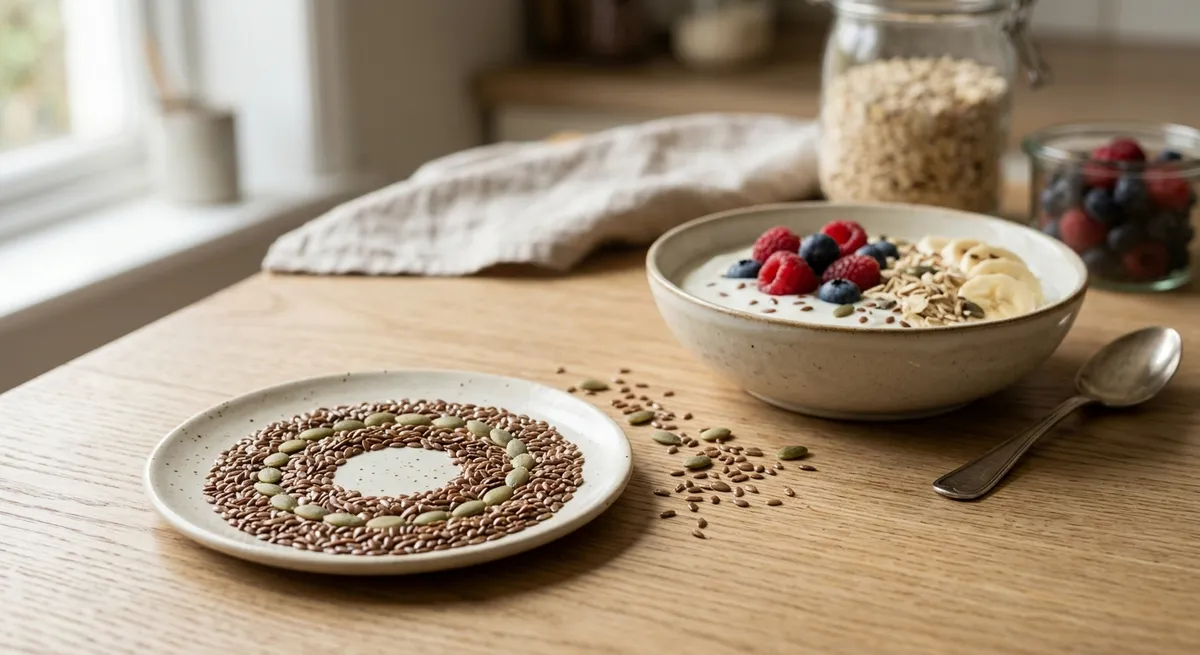
Useful options include porridge with berries and seeds, wholegrain toast with eggs, Greek yoghurt with fruit and oats, or beans on toast. These meals provide a mix of fibre, protein and important micronutrients. They are also quick to prepare.
Some students cannot face a large breakfast when stressed. In that case, a lighter option still helps. A smoothie made with milk, yoghurt, banana and oats can be easier to manage. A boiled egg with toast or a handful of nuts with fruit is another simple choice.
Choose slow-release carbohydrates for steady energy
Carbohydrates are the main fuel source for the brain. The type of carbohydrate makes a difference. Highly refined, sugary foods can give a fast lift followed by a dip. That dip may leave students tired, irritable and distracted.
Slow-release carbohydrates are a better foundation. Choose oats, wholegrain bread, brown rice, wholewheat pasta, potatoes with skins, lentils, beans and vegetables. These foods digest more gradually and provide fibre, which supports gut health too.
A balanced lunch might include chicken, tuna, hummus or cheese with wholegrain bread and salad. Another option is a rice bowl with vegetables, beans and avocado. Leftover pasta with vegetables and protein can work well for packed lunches.
Include protein at every meal
Protein helps with fullness and supports the production of brain chemicals linked with mood and concentration. It also prevents meals from being too carbohydrate-heavy. This is important when students need to study for several hours.
Good protein choices include eggs, fish, chicken, turkey, lean meat, yoghurt, milk, cheese, tofu, beans, lentils, chickpeas, nuts and seeds. Students do not need large portions. A palm-sized serving at meals is a useful guide for many people.
Protein-rich snacks can also help between meals. Try yoghurt with fruit, oatcakes with peanut butter, hummus with vegetable sticks, cheese with wholegrain crackers, or a boiled egg. These options are usually more satisfying than sweets or biscuits.
Feed the brain with healthy fats
Healthy fats support brain function and help meals feel more satisfying. Oily fish is a valuable choice because it contains omega-3 fats. These fats are found in salmon, sardines, mackerel, trout and herring.
Students who do not eat fish can still include helpful fats. Walnuts, chia seeds, flaxseeds, pumpkin seeds, olive oil and avocado are all good additions. Sprinkle seeds over porridge or yoghurt. Add avocado to toast or salads. Use olive oil in dressings.
Nuts and seeds are convenient study snacks. Keep portions moderate, as they are energy-dense. A small handful is usually enough. Pairing them with fruit gives both quick and steady fuel.
Do not forget fruit and vegetables
Fruit and vegetables provide vitamins, minerals and protective plant compounds. These nutrients support immunity, energy production and general wellbeing. Exam pressure can be easier to handle when the body is well nourished.
Berries, oranges, kiwi, peppers and leafy greens provide vitamin C and antioxidants. Spinach, broccoli, peas and beans add folate and magnesium. Bananas are handy for potassium and quick energy. Frozen fruit and vegetables are just as useful as fresh varieties.
Aim to add colour to each meal. Put tomatoes and spinach into scrambled eggs. Add mixed vegetables to pasta sauce. Snack on apples, grapes or carrot sticks. Simple changes can increase nutrient intake without much effort.
Hydration can affect focus and mood
Even mild dehydration can make students feel sluggish or headachy. It may also reduce concentration. Water is the best everyday drink during revision and exams. Keep a bottle nearby and sip regularly.
Milk, herbal teas and water-rich foods also contribute to fluid intake. Fruit, soups and yoghurt can help. Very sugary drinks should be limited because they can worsen energy swings.
Caffeine needs care. Tea and coffee can improve alertness for some people, but too much may increase anxiety, disturb sleep and cause jitters. Energy drinks are not a good study strategy. They often contain high caffeine and sugar levels, which can backfire.
Plan snacks before hunger takes over
When students study for long periods, snacks can prevent dips in energy. The best snacks combine fibre, protein or healthy fat. This combination keeps hunger under control and supports focus.
Try apple slices with nut butter, yoghurt with berries, trail mix, popcorn with nuts, hummus and oatcakes, or a banana with a glass of milk. Dark chocolate can be enjoyed in small amounts, especially with nuts or fruit.
Planning matters. If nourishing snacks are ready, students are less likely to rely on vending machines or late-night convenience food. Preparing a small study snack box can make healthy choices easier.
Sleep is part of exam nutrition
Food cannot make up for poor sleep. Memory consolidation happens during rest, so late-night cramming has limits. Students should protect sleep as much as possible, especially before an exam.
A regular wind-down routine helps. Switch off screens before bed when possible. Keep caffeine for earlier in the day. Avoid very heavy meals late at night, as they may disturb digestion and sleep quality.
If hunger strikes in the evening, choose something light. Porridge, toast, yoghurt, milk or a banana can be suitable. These options are gentle and unlikely to cause a sharp sugar rush.
Movement helps stress and concentration
Long study sessions can leave the body tense and the mind foggy. Short movement breaks improve circulation and can reset attention. Students do not need intense workouts during exam season. Consistency is more important.
A walk outside, stretching, cycling, dancing or a quick home workout can all help. Fresh air and daylight may also support mood and sleep patterns. Even ten minutes between revision blocks can make a difference.
Movement also reduces stress hormones and supports appetite regulation. It gives the brain a break from screens and notes. Many students return to study feeling more focused after a short active pause.
Simple exam-day eating tips
On exam day, avoid experimenting with unfamiliar foods. Choose meals that feel comfortable and reliable. A balanced breakfast or lunch should include slow-release carbohydrates, protein and fluid.
Good exam-day meals include porridge with seeds, eggs on toast, yoghurt with oats and fruit, or a wholegrain sandwich with protein. Bring water if allowed. Pack a snack for after the exam, especially if there is another paper later.
Students should not arrive hungry. Hunger can make nerves feel worse and distract from the task. At the same time, very large meals may cause sleepiness. A familiar, balanced meal is the safest choice.
Build habits that students can maintain
The best nutrition plan is one students can actually follow. Busy families do not need complicated menus. Stocking the kitchen with useful basics can reduce stress for everyone.
Helpful staples include oats, eggs, wholegrain bread, rice, pasta, tins of beans, tuna, yoghurt, frozen vegetables, fruit, nuts and seeds. Batch cooking soups, pasta sauces or chilli can save time during the busiest weeks.
Parents and carers can support students by offering regular meals without adding pressure. Encouragement works better than criticism. Exam season is demanding, and small improvements still count.
Conclusion
Exam performance depends on preparation, rest and wellbeing. Nutrition is a key part of that picture. Balanced meals, steady snacks, water, sleep and movement can help students manage pressure and stay mentally sharp. With a few practical habits, exam season can feel more manageable from the first revision session to the final paper.