The Quest for Perfect Pakode
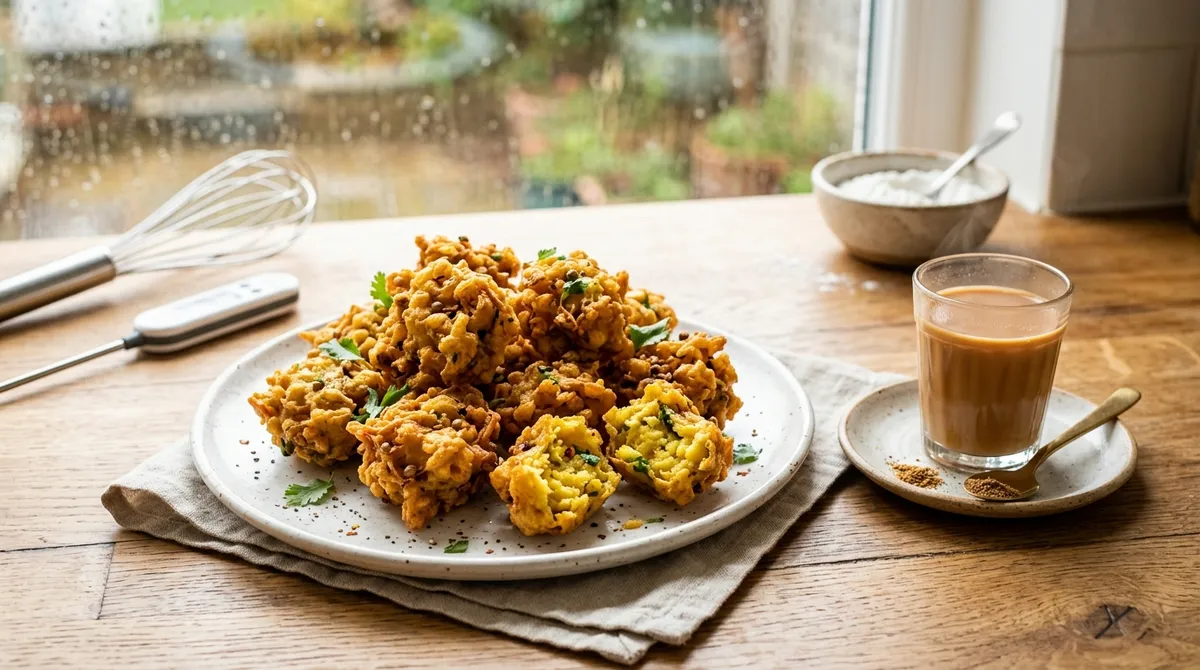
The beloved combination of crispy pakoda and chai remains unbeatable, especially during rainy weather and snack cravings. However, many home cooks struggle with a common problem: their pakodas lose texture and never achieve the crispy, crunchy consistency they're after. According to reports, people often complain that their homemade pakodas turn out soggy and overly oily.
MasterChef Pankaj Bhadouria recently addressed this widespread kitchen challenge by sharing five smart techniques that can help achieve street-style pakode texture at home while significantly reducing oil absorption.
Five Essential Techniques for Better Pakode
Avoid Water and Perfect Your Whisking
The foundation of crispy pakode starts with proper batter preparation. Chef Bhadouria emphasizes avoiding water in the batter mixture and focusing on thorough whisking technique. This fundamental step helps create the right consistency for achieving that coveted crunch.
Incorporate Rice Flour for Extra Crispiness
One of the key secrets to restaurant-quality pakode lies in adding rice flour to your batter. This ingredient acts as a natural crisping agent, helping create that satisfying textural contrast between the crispy exterior and fluffy interior that makes pakode so appealing.
Add Baking Soda for Fluffiness
To achieve the light, fluffy texture that characterizes perfect pakode, Chef Bhadouria recommends incorporating baking soda into the batter. This leavening agent helps create air pockets during frying, resulting in pakode that are less dense and more enjoyable to eat.
The Hot Oil Addition Trick
A professional technique that many home cooks overlook involves adding hot oil directly to the batter. This method helps pre-cook parts of the mixture and contributes to achieving better texture and reduced oil absorption during the actual frying process.
Master the Oil Temperature Test
Perhaps the most crucial factor in creating less oily pakode is maintaining proper frying temperature. Chef Bhadouria emphasizes the importance of checking and controlling oil temperature throughout the cooking process. The right temperature ensures that pakode cook quickly on the outside, forming a protective barrier that prevents excessive oil absorption while allowing the interior to cook properly.
Why These Tips Matter for Home Cooks
These techniques address the most common pakoda-making mistakes that lead to soggy, oil-heavy results. By focusing on batter composition and frying temperature control, home cooks can achieve professional-quality results without specialized equipment or extensive culinary training.
The emphasis on reducing oil content while maintaining taste and texture aligns with growing interest in healthier cooking methods. These modifications allow food enthusiasts to enjoy their favorite comfort food with less guilt and better nutritional outcomes.
Bringing Street-Style Quality Home
The appeal of street-style pakode lies in their perfect balance of crispy exterior and fluffy interior, combined with minimal greasiness. These five chef-approved techniques provide a systematic approach to replicating that quality in home kitchens.
For food enthusiasts looking to elevate their snack game, these practical tips offer a straightforward path to better results. The combination of proper batter technique, strategic ingredient additions, and temperature control creates a comprehensive approach to pakode perfection.
The Perfect Pairing Continues
With these techniques in hand, home cooks can confidently prepare moong dal pakode that live up to the high standards set by their favorite chai-time treat. The result is a more satisfying snacking experience that maintains the beloved comfort-food appeal while addressing common texture and health concerns.
Whether preparing for rainy-day cravings or simply wanting to master this classic recipe, these five tips provide the foundation for consistently excellent homemade pakode that rival street-vendor quality.