Premium Pricing Doesn't Always Deliver
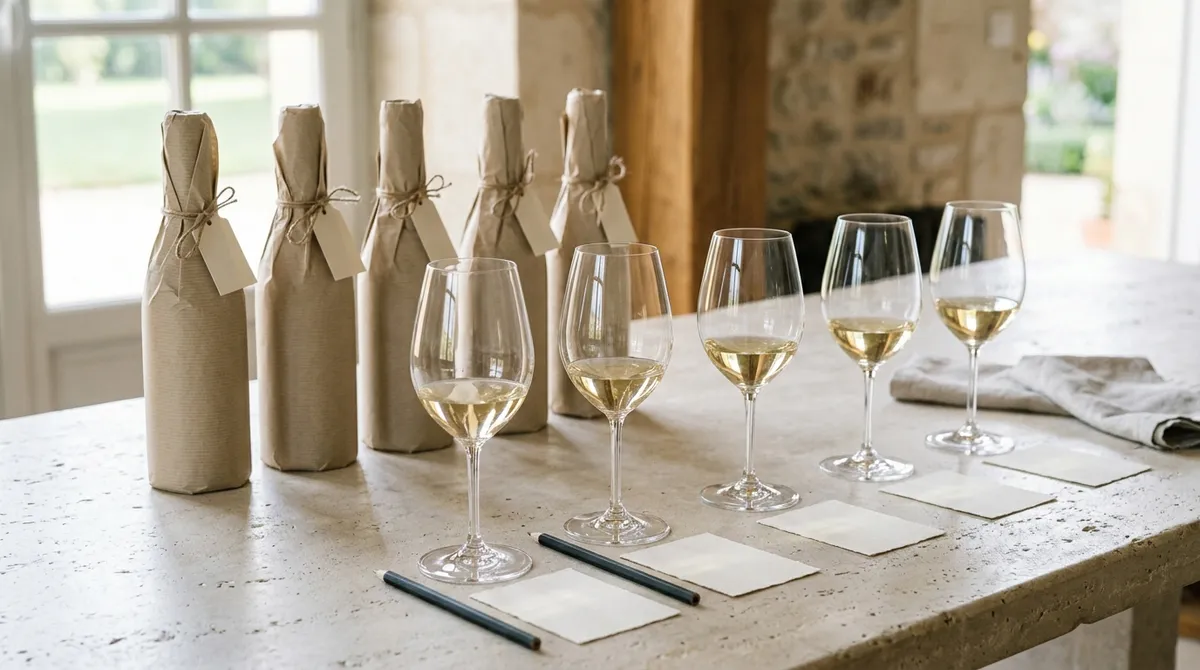
A recent blind tasting experiment has challenged the assumption that expensive wine automatically means better quality. According to reports, a wine expert conducted a comprehensive taste test of supermarket Chablis wines to determine whether budget-friendly bottles could compete with premium options.
The results were surprising: a £25 Tesco Chablis Premier Cru emerged as the clear winner, outperforming both cheaper alternatives and more expensive competitors through its superior balance of richness, acidity, and complexity.
What Makes Chablis Special
Chablis comes from a specific Burgundy region where Chardonnay grapes grow in distinctive fossil-rich soil. According to the tasting notes, the vines root an impressive 15 feet deep without requiring irrigation, which creates the wine's characteristic marzipan and lemon flavor profiles that distinguish authentic Chablis from generic Chardonnay.
This unique terroir expression is what wine enthusiasts should look for when selecting bottles, regardless of price point.
Surprising Mid-Range Success
Perhaps most encouraging for budget-conscious wine lovers was the exceptional performance of a £13 Lon Deloney Chablis during the blind tasting. This mid-range supermarket find proved that excellent Chablis doesn't require breaking the bank, demonstrating that careful selection can yield premium-quality experiences at accessible prices.
Smart Shopping Guidelines
The tasting revealed important insights for consumers shopping under £15. According to the expert's findings, grower reputation and vineyard age—particularly old vines—can matter more than official wine classifications when selecting budget options.
This means a village-level Chablis from a respected producer with mature vines might outperform a Premier Cru designation from a lesser-known grower, challenging traditional wine hierarchy assumptions.
Red Flags to Avoid
The tasting also identified key characteristics that signal poor-quality Chablis, regardless of price. Consumers should avoid wines that taste flat, overly acidic, or one-dimensional, as these indicate poor terroir expression or winemaking flaws.
What to Seek Instead
Instead, look for Chablis with zippy citrus notes, distinctive saline characteristics, and subtle buttery richness. These flavor profiles indicate proper terroir expression—the hallmark of authentic, well-made Chablis that justifies the purchase.
Budget Wine Revolution
This blind tasting format represents a growing trend in wine evaluation, where expert palates remove price bias to focus purely on quality and enjoyment. The methodology proves particularly valuable as cost-of-living pressures make wine shopping more challenging for many consumers.
The results suggest that supermarket wine buyers are increasingly sophisticated, demanding quality that matches or exceeds traditional premium offerings. This market pressure appears to be driving improvements across all price segments.
Practical Applications
For wine enthusiasts, these findings offer practical shopping guidance. Rather than automatically gravitating toward the most expensive bottles or dismissing budget options, consumers can focus on specific quality indicators that transcend price points.
The success of both the £25 Tesco Premier Cru and £13 Lon Deloney bottles demonstrates that supermarket wine selections have evolved significantly, offering genuine alternatives to specialist wine shop purchases.
Broader Implications
This approach to wine evaluation—blind tasting across price points—could easily extend to other wine regions, spirits, or even food categories. The methodology empowers consumers to make informed purchasing decisions based on actual quality rather than marketing or premium pricing strategies.
The results challenge wine snobbery while providing concrete guidance for budget-conscious consumers who refuse to compromise on quality. As the wine market continues evolving, such transparent evaluation methods may become increasingly important for both consumers and producers.
For those interested in exploring Chablis, the key takeaway is clear: exceptional bottles exist across price ranges, but knowing what to look for makes all the difference in finding genuine value.