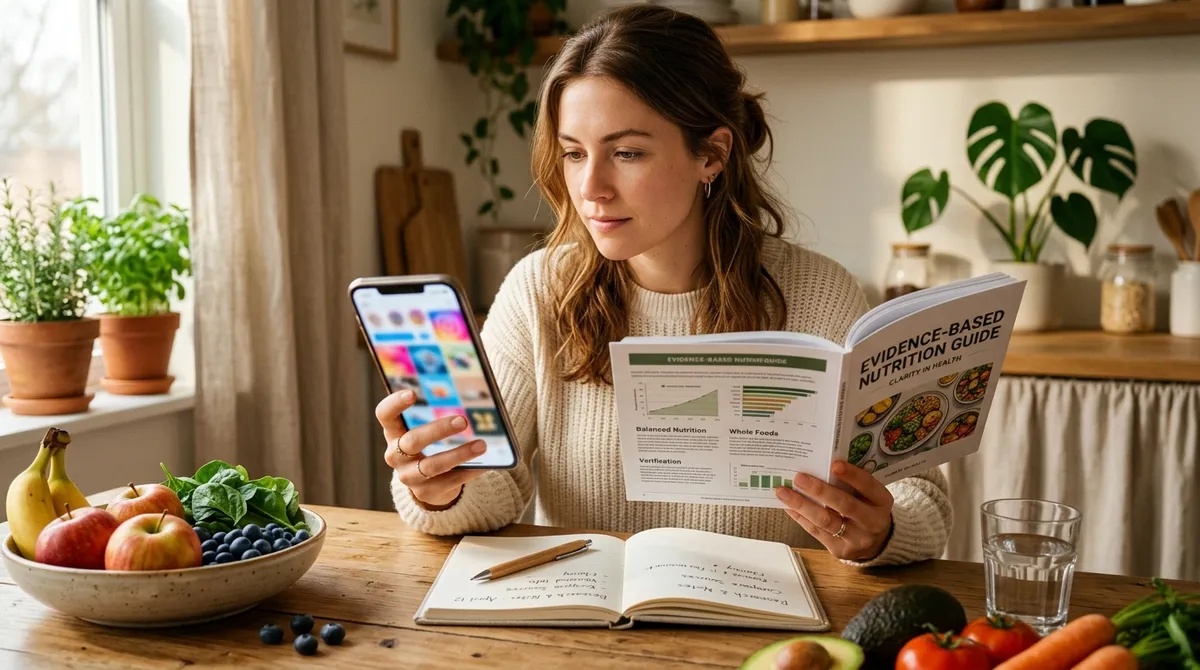
Social media has become a powerful tool in shaping public perception, especially in the realm of nutrition. While these platforms offer a wealth of information, the challenge lies in distinguishing credible insights from misinformation. The proliferation of nutrition advice on social media often leads to confusion, making it crucial for individuals to develop a critical eye when evaluating such content.
In recent years, the rise of social media influencers has transformed the way people receive dietary advice. These influencers, often without formal training, wield significant power in influencing dietary habits. Their reach surpasses traditional media, allowing them to impact millions with a single post. While many promote healthy lifestyles, some spread misleading or harmful nutrition information, which can result in widespread misconceptions.
The Role of Influencers in Nutrition Advice
Influencers have become central figures in the dissemination of nutrition information. With large followings, they often share personal diet experiences and recommendations. However, their advice may not always be rooted in scientific evidence. This lack of credentialed expertise can lead to the propagation of myths or unproven dietary practices. For example, some influencers advocate for extreme diets that may lack essential nutrients, posing potential health risks to their followers.
Despite the lack of scientific backing, influencer posts often appear credible due to polished imagery and engaging narratives. Followers may accept these stories as truth, adopting dietary changes without consulting healthcare professionals. The impact of such advice can be significant, leading to nutrient deficiencies or an unhealthy relationship with food.
Misinformation and Its Consequences
Misinformation about nutrition on social media is not only misleading but can also have severe health implications. The spread of inaccurate information can lead individuals to make poor dietary choices, potentially exacerbating health issues. For instance, the promotion of detox diets or supplements without scientific evidence can mislead people into believing they are making healthier choices when, in fact, they may be neglecting essential nutrients.
The spread of misinformation is often fueled by the desire for quick fixes. Many users are drawn to promises of rapid weight loss or dramatic health improvements. This allure can overshadow the importance of balanced nutrition and sustainable lifestyle changes. As a result, individuals may fall into cycles of fad dieting, which can be detrimental to long-term health.
Combating Nutrition Misinformation
To combat misinformation, it is vital for consumers to critically evaluate the sources of their nutrition advice. Checking the credentials of those providing information is a crucial step. Registered dietitians and nutritionists, who are trained professionals, can offer reliable guidance based on scientific research. Additionally, cross-referencing information with reputable sources such as medical journals or government health websites can help verify its accuracy.
Platforms themselves also have a role to play in curbing the spread of misinformation. By implementing stricter policies on the dissemination of health-related content, social media companies can help ensure that users receive accurate and reliable information. Educational initiatives that promote digital literacy can empower users to discern credible sources from misleading ones.
The Importance of Evidence-Based Nutrition
Emphasizing evidence-based nutrition is essential in a landscape rife with conflicting dietary advice. Scientific research provides a foundation for understanding the complex relationship between diet and health. By prioritizing evidence-based information, individuals can make informed decisions that support their well-being.
Engaging with content that cites credible studies and expert opinions can help users navigate the often-confusing world of online nutrition advice. This approach not only supports personal health but also contributes to a more informed community, reducing the spread of misinformation.
Ultimately, fostering a critical mindset towards nutrition information on social media can lead to healthier dietary habits. By valuing scientific evidence and expert guidance, individuals can protect themselves from the pitfalls of misinformation, paving the way for a more informed and health-conscious society.