From Farmland to Wine Gold: The Dillons Point Transformation
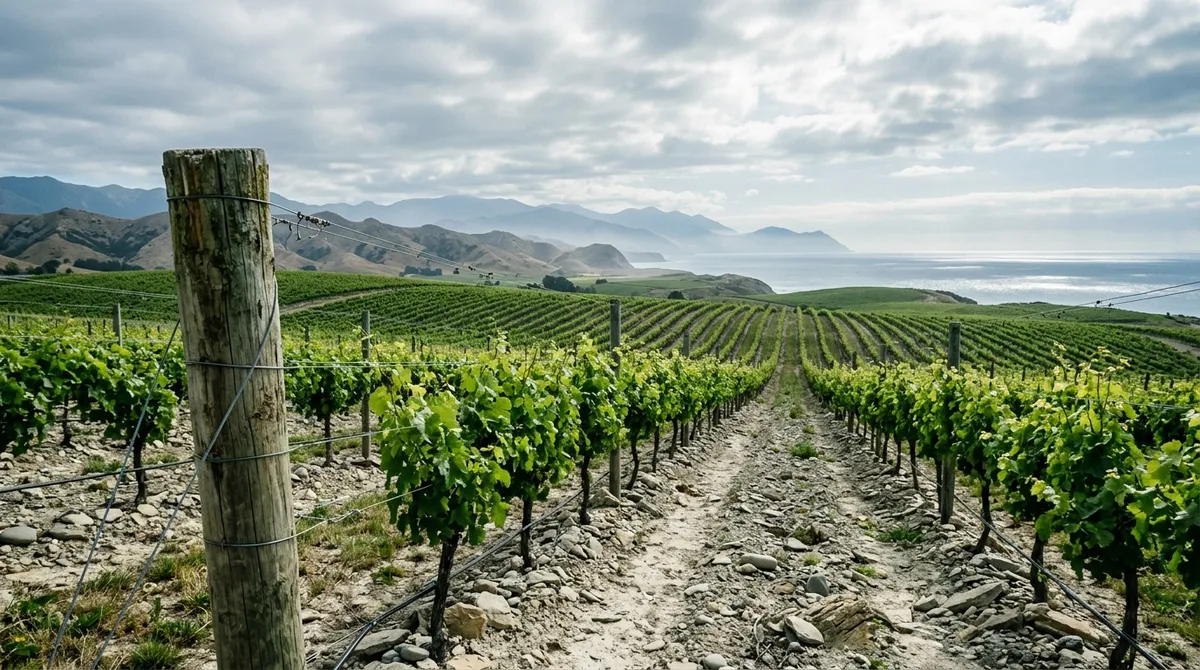
In the world of wine investment and terroir-driven beverages, few stories are as remarkable as Dillons Point's meteoric rise. According to reports, this tiny Marlborough subregion has transformed from overlooked farmland into some of the world's most prized Sauvignon Blanc territory, with land values now rivaling prime vineyard real estate in France's prestigious Sancerre region.
The transformation represents more than just a real estate boom — it signals a fundamental shift in how wine consumers and producers value terroir-specific expressions over broad regional designations.
The Coastal Advantage: What Makes Dillons Point Special
According to industry analysis, Dillons Point's coastal terroir delivers distinctive characteristics that set it apart from other Marlborough Sauvignon Blanc. Reports indicate the wines display remarkable vibrancy, tension, and a distinctive saltiness that wine experts attribute to the maritime influence.
These characteristics challenge common perceptions about Marlborough Sauvignon Blanc's aging potential. According to reports, wines from this subregion demonstrate unexpected age-worthiness, developing complexity over time rather than requiring immediate consumption.
Rising Global Demand Drives Premium Positioning
The region's ascension comes at a time when demand for premium Marlborough Sauvignon Blanc is expanding significantly in key markets including the United States and Asia. This growing international appetite, combined with the scarcity of suitable vineyard land in Dillons Point, has created intense competition for prime coastal sites.
According to reports, a single hectare in Dillons Point now commands prices comparable to premium land in Sancerre, France — a remarkable achievement for what was once considered a "backwater" area unsuitable for premium viticulture.
The Broader Terroir Movement
Dillons Point's success reflects a broader wine industry trend toward subregional and single-vineyard expressions. According to industry analysis, both consumers and producers are increasingly looking beyond broad regional designations to discover terroir-driven identity and distinctive characteristics.
This shift represents a maturation of the wine market, where discerning drinkers seek unique expressions that reflect specific geographic and climatic influences rather than generic regional styles.
Understanding the Sancerre Connection
The comparison to Sancerre isn't merely about land values — it's about style and quality positioning. According to reports, Dillons Point is emerging as a coastal counterpart to the famous French region, offering mineral-driven, age-worthy Sauvignon Blanc with distinctive maritime influences.
For wine enthusiasts familiar with Sancerre's reputation for producing some of the world's finest Sauvignon Blanc, this positioning represents a significant validation of Marlborough's potential for premium wine production beyond its established reputation for fruit-forward styles.
What This Means for Wine Drinkers
For consumers, the rise of Dillons Point offers an opportunity to explore a different expression of Marlborough Sauvignon Blanc. According to reports, these wines display saltiness and mineral characteristics that provide practical tasting cues for those seeking more complex, terroir-driven expressions.
The development also suggests that preconceptions about New Zealand wine aging potential may need updating, as these coastal expressions demonstrate the region's capacity for producing wines with genuine longevity.
Investment and Scarcity Dynamics
The scarcity factor cannot be understated in Dillons Point's valuation. According to reports, the limited availability of suitable vineyard sites in this specific microclimate has intensified competition among producers seeking to establish a foothold in this emerging premium subregion.
This scarcity, combined with growing global recognition, suggests that Dillons Point wines may become increasingly difficult to access at entry-level price points, potentially positioning them as luxury items within the broader Marlborough category.
The transformation of Dillons Point from agricultural backwater to premium wine real estate represents a fascinating case study in terroir recognition and market dynamics, offering wine enthusiasts a glimpse into how exceptional geographic sites can achieve global recognition and premium positioning.