The Rise of an Unlikely Wine Star
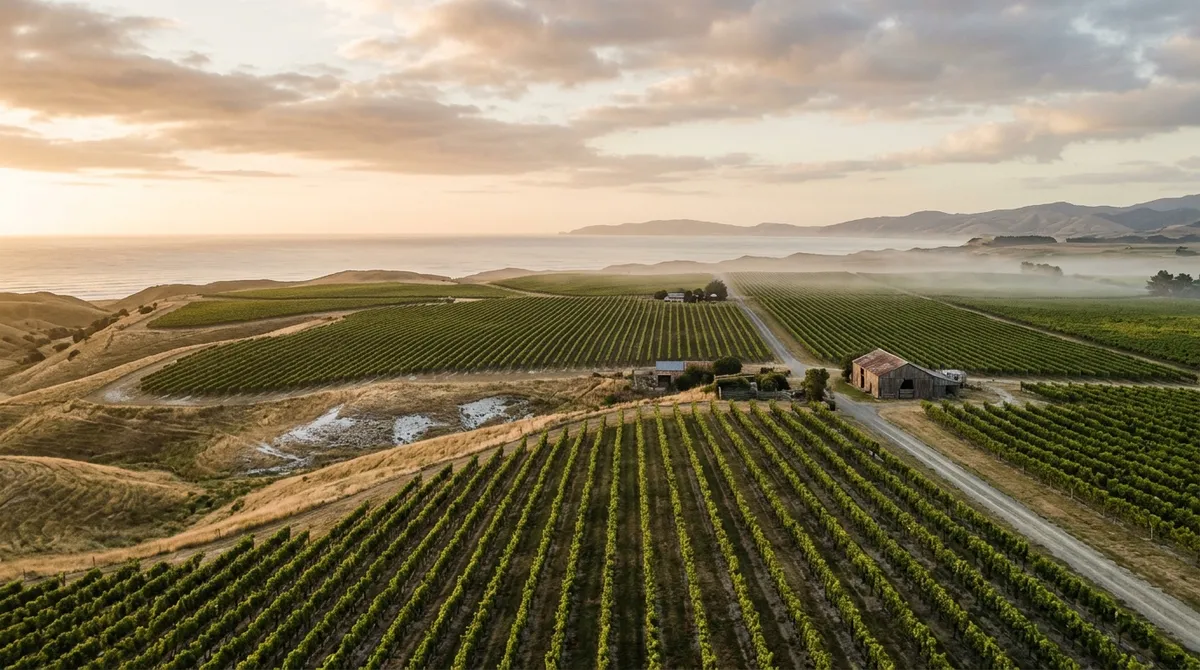
In the world of wine, location truly is everything. While most wine enthusiasts know Marlborough, New Zealand as the home of exceptional Sauvignon Blanc, few are familiar with Dillons Point—a tiny subregion that has quietly transformed from forgotten farmland into some of the planet's most coveted wine real estate.
According to recent reports, this coastal corner of Marlborough has experienced a remarkable transformation. What was once considered agricultural "backwater" now commands prices that rival prime vineyard land in France's prestigious Sancerre region, with a single hectare fetching premium prices that reflect its newfound status.
Understanding the Terroir Advantage
The secret to Dillons Point's success lies in its unique coastal terroir. Reports indicate that this location produces Sauvignon Blanc wines with distinctive characteristics that set them apart from the broader Marlborough region. These wines are noted for their vibrancy, tension, and particularly their saltiness—qualities that reflect the maritime influence of their coastal environment.
What makes these wines especially noteworthy is their aging potential. Contrary to common beliefs about Sauvignon Blanc being a wine for immediate consumption, Dillons Point produces bottles that demonstrate remarkable longevity and development over time. This challenges the widespread nutrition myth that all white wines, particularly Sauvignon Blanc, should be consumed young.
The Global Recognition Factor
The transformation of Dillons Point hasn't happened in isolation. According to industry observations, demand for premium Marlborough Sauvignon Blanc is expanding significantly in key markets including the United States and Asia. This growing international appetite for high-quality New Zealand wines has contributed to the scarcity and increasing value of vineyard land in prime subregions like Dillons Point.
The wine world is experiencing a broader trend toward specificity, with consumers and producers alike looking beyond general regional designations. Instead, there's growing interest in subregions, single vineyards, and terroir-driven identity—exactly what Dillons Point represents.
Comparing Coastal Styles: Dillons Point vs. Sancerre
For wine drinkers familiar with France's Loire Valley, Dillons Point offers an intriguing comparison point to Sancerre. Both regions produce mineral-driven Sauvignon Blanc with distinctive character, but reports suggest that Dillons Point wines offer their own unique expression of the grape. The coastal influence provides a salty, maritime quality that distinguishes these wines from their French counterparts.
This comparison is particularly relevant for consumers seeking to expand their Sauvignon Blanc horizons beyond the typical tropical fruit profiles associated with warmer climate expressions of the grape.
What This Means for Wine Lovers
The rise of Dillons Point represents more than just real estate appreciation—it's indicative of a maturing wine market that values precision and place. For consumers interested in exploring beyond mainstream offerings, this subregion provides an opportunity to experience Sauvignon Blanc in a different light.
The emphasis on mineral qualities, saltiness, and aging potential challenges preconceived notions about what Sauvignon Blanc can be. These characteristics make Dillons Point wines particularly suitable for food pairing, especially with seafood and dishes that can complement their maritime qualities.
The Future of Marlborough's Subregions
As vineyard land becomes increasingly scarce in premium locations like Dillons Point, the focus on subregional identity within Marlborough is likely to intensify. This trend reflects a global movement in winemaking toward greater specificity and terroir expression.
For wine enthusiasts, this evolution presents an exciting opportunity to explore nuanced differences within a region they may already know and love. Understanding these subregional variations can enhance appreciation for the complexity and diversity that exists within New Zealand's most famous wine region.
The transformation of Dillons Point from agricultural backwater to premium wine destination illustrates how terroir, timing, and market demand can converge to create value and recognition in unexpected places.