Eating healthily doesn't have to be complicated. By following straightforward nutrition strategies, individuals can enhance their wellness without the stress of complex dieting. Practical tips from nutrition experts help demystify the path to a healthier lifestyle by focusing on balance and sustainability.
Prioritizing Whole Foods
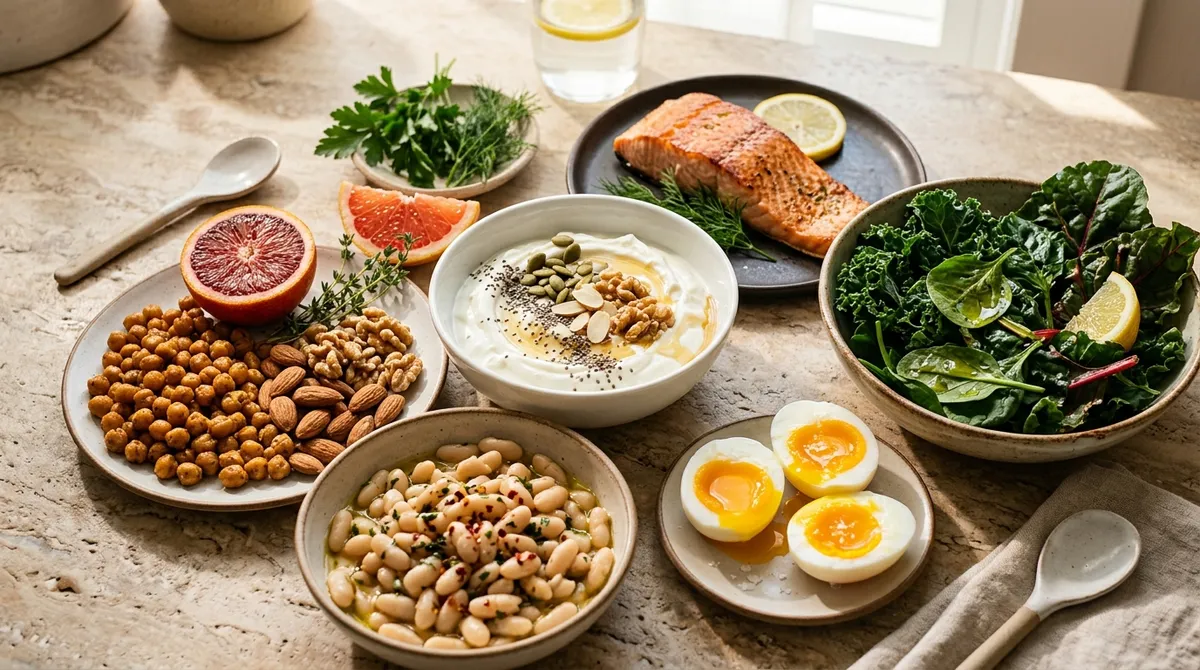
Whole foods are the cornerstone of a nutritious diet. These include fruits, vegetables, whole grains, nuts, and seeds. Whole foods are minimally processed, making them rich in essential nutrients and fiber. Incorporating a variety of these foods into daily meals can lead to improved energy levels and overall health, as they provide the body with the necessary vitamins and minerals. Making whole foods a staple in your diet is a simple yet effective way to ensure you are getting the nutrients your body needs.
Benefits of Whole Grains
Whole grains such as brown rice, quinoa, and oats are packed with fiber and nutrients. They help regulate the digestive system and maintain steady energy levels throughout the day. Unlike refined grains, whole grains retain their natural nutrients, which supports heart health and reduces the risk of chronic diseases. By choosing whole grains over refined options, you can enhance your diet and improve your long-term health.
Understanding Portion Control
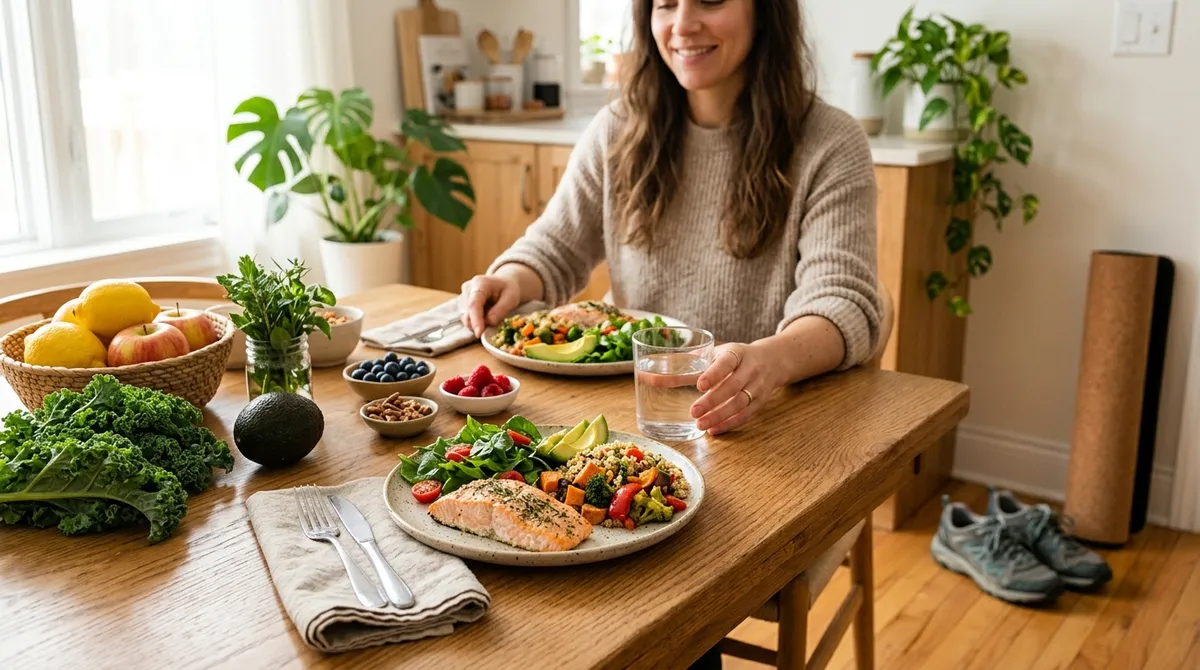
Portion control plays a vital role in maintaining a healthy weight and preventing overeating. By being mindful of portion sizes, you can enjoy a variety of foods without overindulging. Using smaller plates and serving sizes can help control the amount of food consumed, thereby supporting weight management efforts. Recognizing hunger cues and eating slowly are additional strategies that promote healthy portion control.
Mindful Eating Practices
Mindful eating involves paying full attention to the experience of eating and drinking. It encourages individuals to savor each bite, which can enhance enjoyment and satisfaction. This practice also helps identify emotional versus physical hunger, leading to more conscious food choices. By slowing down and focusing on the meal, mindful eating supports better digestion and prevents unnecessary calorie intake.
Staying Hydrated
Hydration is essential for overall health, yet it is often overlooked. Water is crucial for numerous bodily functions, including temperature regulation, nutrient transport, and waste elimination. Drinking adequate amounts of water daily supports physical performance and cognitive function. Replacing sugary beverages with water or herbal teas can reduce calorie intake and improve hydration.
Creative Ways to Increase Water Intake
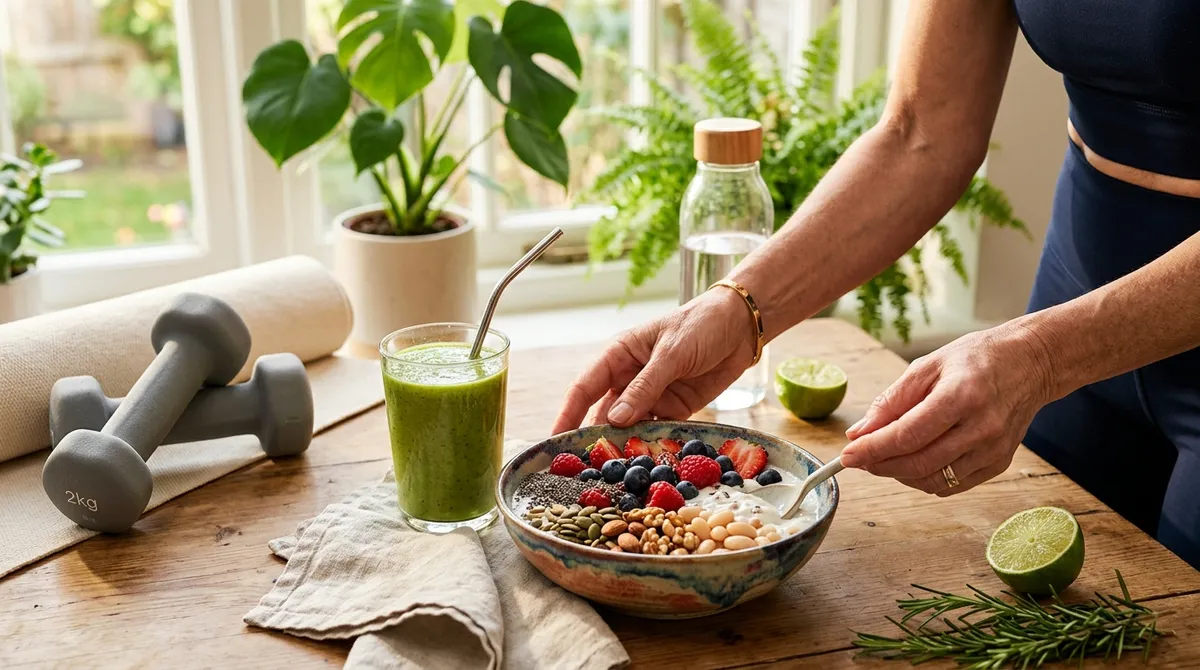
To increase daily water consumption, try carrying a reusable water bottle as a reminder to drink throughout the day. Infusing water with fruits or herbs can make it more appealing, encouraging more frequent sips. Setting regular reminders or using apps can also ensure consistent hydration. By prioritizing water intake, you can boost your health and vitality.
Incorporating Physical Activity
Alongside a nutritious diet, physical activity is vital for maintaining a healthy lifestyle. Regular exercise supports cardiovascular health, enhances mood, and promotes better sleep. Whether it's a daily walk, yoga, or a more intense workout, finding an activity you enjoy makes it easier to stay active. Combining exercise with healthy eating habits maximizes health benefits and contributes to overall well-being.
Finding the Right Activity
Choosing an activity that fits your lifestyle and preferences increases the likelihood of maintaining regular exercise. Whether it's dancing, cycling, or swimming, the key is consistency. Exploring different types of exercise can keep routines exciting and prevent burnout. By integrating physical activity into your daily routine, you can enhance both physical and mental health.
Adopting these simple yet effective nutrition and lifestyle changes can lead to lasting health benefits. By focusing on whole foods, mindful eating, proper hydration, and regular physical activity, individuals can achieve a balanced and sustainable healthy lifestyle.