
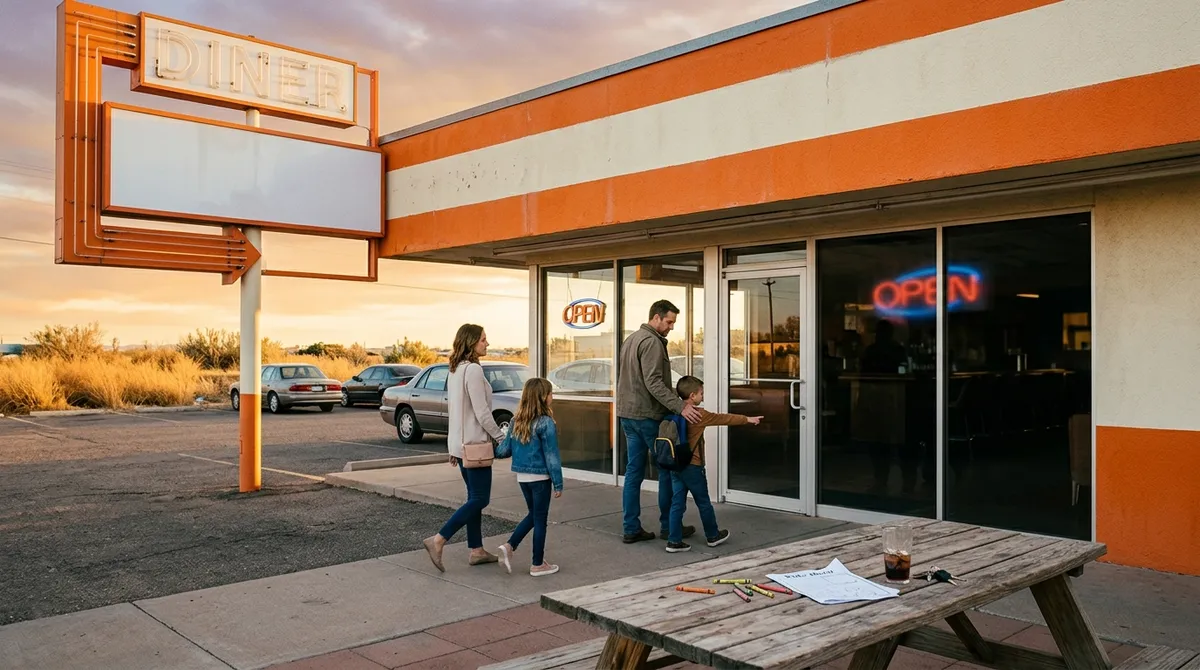
From Breastaurant to Family Spot: A Controversial Evolution
Hooters is attempting to shed its "breastaurant" reputation in favor of becoming a family-friendly wings destination, according to reports. The chain's transformation comes at a critical time as it faces bankruptcy pressure and seeks to expand its customer base beyond its traditional adult-oriented demographic.
This rebranding effort has reportedly been more successful than many anticipated, with parents increasingly bringing their children to locations that once relied heavily on bikini nights and suggestive marketing to draw customers.
The Challenge of Dual Identity
The restaurant chain finds itself navigating a complex cultural tension as it attempts to court families while not completely abandoning the identity that originally defined its brand. According to reports, Hooters is working to sanitize its adult-coded image to remain relevant in today's dining landscape.
This shift raises fundamental questions about whether establishments with deeply ingrained adult themes can successfully transform into genuinely family-oriented spaces. The chain's legacy of suggestive branding and promotional events creates a unique challenge in convincing parents that it's an appropriate venue for children.
Parents Weigh In on Dining Choices
The rebrand has sparked debate among parents about where to draw the line when it comes to "family-friendly" dining establishments. Some families are reportedly embracing the change, viewing it as a practical dinner choice that offers quality wings in a more welcoming environment.
This phenomenon reflects broader questions about parenting judgment versus convenience in dining decisions. Parents must balance their comfort level with a restaurant's history against factors like food quality, location, and their children's preferences.
Industry Implications for Adult-Coded Brands
Hooters' transformation represents part of a larger trend of adult-coded brands attempting family-friendly rebrands to survive in an evolving market. According to reports, this reflects how nostalgia brands are working to stay relevant by expanding their appeal beyond their original demographics.
The restaurant industry has seen various establishments grapple with similar identity shifts as consumer preferences change and financial pressures mount. The success or failure of Hooters' rebrand could influence how other similarly positioned brands approach their own transformations.
Cultural Tensions and Modern Dining
The debate around Hooters' family-friendly pivot highlights broader cultural tensions in modern dining. Families today navigate an increasingly complex landscape of restaurant choices, weighing factors that extend far beyond food quality and pricing.
This situation also raises questions about authenticity in brand transformation. Can a restaurant truly become a kids' establishment when its foundational identity was built on adult entertainment concepts? The answer may depend on how thoroughly the chain commits to its new direction.
The Future of Family Dining Spaces
As Hooters continues its rebrand efforts, the restaurant industry watches closely to see whether this transformation can be sustained. The chain's ability to successfully navigate this identity shift while maintaining business viability could set precedents for other establishments facing similar crossroads.
The success of this rebrand ultimately depends on whether families embrace the change and whether Hooters can create an environment that genuinely feels appropriate for children while still appealing to its existing customer base.
This ongoing transformation reflects larger questions about how businesses adapt to changing social expectations and whether complete brand reinvention is possible when a company's original identity was so distinctly defined. The outcome will likely influence how other entertainment-focused dining establishments approach their own evolution in response to market pressures and cultural shifts.