
Breakfast Falls Short Despite Overall Healthy Diet
A dietitian's recent review of 50-year-old health coach Naomi Singer's "day on a plate" has highlighted a common nutritional gap among women over 50: inadequate breakfast protein, especially after exercise.
According to reports, while Singer's plant-rich daily menu earned praise for its fiber, phytonutrients, and fermented foods, the dietitian flagged that her breakfast portion was too light for optimal health outcomes in this age group.
Why Protein Distribution Matters After 50
The analysis reveals that women over 50 require more evenly distributed protein throughout the day to support muscle maintenance, bone health, and healthy aging. This need becomes particularly crucial following exercise sessions, when the body requires adequate protein for recovery and muscle synthesis.
According to the dietitian's assessment, the key issue isn't necessarily the total daily protein intake, but rather how that protein is distributed across meals. For women navigating menopause and beyond, strategic protein timing can make a significant difference in maintaining metabolic health and muscle mass.
Shifting Focus from Restriction to Addition
The review reflects a broader shift in nutrition advice for women over 50, moving away from the traditional "eat less" approach toward a more supportive "what to add" philosophy. This change acknowledges the unique nutritional needs that emerge during and after menopause, when hormonal changes can affect muscle mass, bone density, and metabolic function.
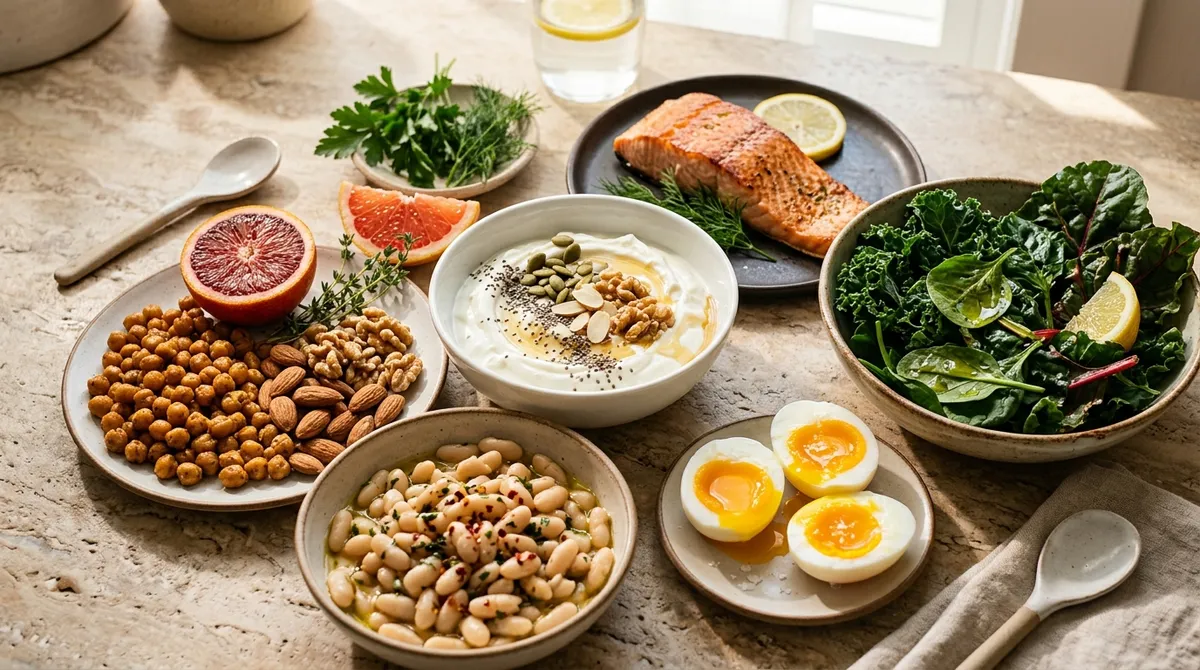
According to reports, breakfast presents a practical entry point for implementing these nutrition improvements. Post-workout breakfast upgrades, in particular, offer an actionable way for women to optimize their daily nutrition without overhauling their entire eating pattern.
Plant-Based Protein Considerations
For women following plant-based or plant-rich diets like Singer's, the challenge becomes finding adequate sources of key nutrients including leucine, calcium, and complete proteins. The dietitian's review suggests that while plant-based eating offers numerous health benefits, careful attention to protein quality and timing becomes even more important for women over 50.
The analysis highlights the need to balance gut health benefits from plant-rich eating with muscle health requirements that become increasingly important with age.
Practical Implications for Daily Nutrition
The dietitian's feedback on Singer's daily meals underscores how even health-conscious individuals may have nutritional gaps that aren't immediately obvious. According to the review, Singer's overall approach to nutrition showed many positive elements, but the breakfast inadequacy demonstrates how timing and distribution of nutrients can be just as important as total intake.
This assessment comes at a time when menopause, longevity, and strength-focused aging have become central topics in wellness conversations. The focus on nutrition for women over 50 represents a growing recognition that this demographic has specific needs that weren't always addressed in general health advice.
The Bigger Picture
The review of Singer's eating pattern reflects emerging trends in how nutrition professionals approach women's health after 50. Rather than focusing solely on weight management or calorie restriction, the emphasis is shifting toward supporting metabolic health, muscle maintenance, and overall vitality through strategic nutrition choices.
According to reports, this represents a more nuanced understanding of how aging affects nutritional needs, particularly for women experiencing hormonal changes associated with menopause. The dietitian's analysis suggests that simple adjustments to meal timing and composition can have meaningful impacts on long-term health outcomes.
For women over 50 looking to optimize their nutrition, the key takeaway appears to be the importance of adequate protein distribution throughout the day, with particular attention to post-exercise nutrition and breakfast adequacy.