
Bone health often feels invisible until a scan, fracture, or nagging ache brings it into focus. After 40, the body can begin losing bone tissue faster than it rebuilds it, especially when hormones shift, activity drops, or key nutrients fall short. The good news is that food choices can help support bone density, muscle strength, and long-term mobility when they become part of a consistent routine.
Why bone density deserves more attention after 40
Bones are living tissue. They constantly break down old material and replace it with new structure. During younger adulthood, this remodeling process usually stays balanced. With age, the balance can change. Bone loss may slowly outpace rebuilding, which can increase the risk of osteopenia, osteoporosis, and fractures later in life.
Women often experience faster bone loss around menopause because estrogen helps protect bone mass. Men are not exempt, though. Lower testosterone, certain medications, digestive disorders, smoking, heavy drinking, and low nutrient intake can all affect skeletal strength. Family history also matters, but nutrition remains one of the most practical tools within daily control.
A bone-supportive diet is not about one miracle food. It is about regularly supplying the minerals, vitamins, protein, and plant compounds the skeleton needs. These seven nutrition strategies can help adults over 40 take a proactive approach.
1. Make calcium a daily priority
Calcium is the main mineral stored in bones, so steady intake matters. If the diet does not provide enough, the body may draw calcium from bone to maintain normal blood levels. Over time, that can weaken bone structure.
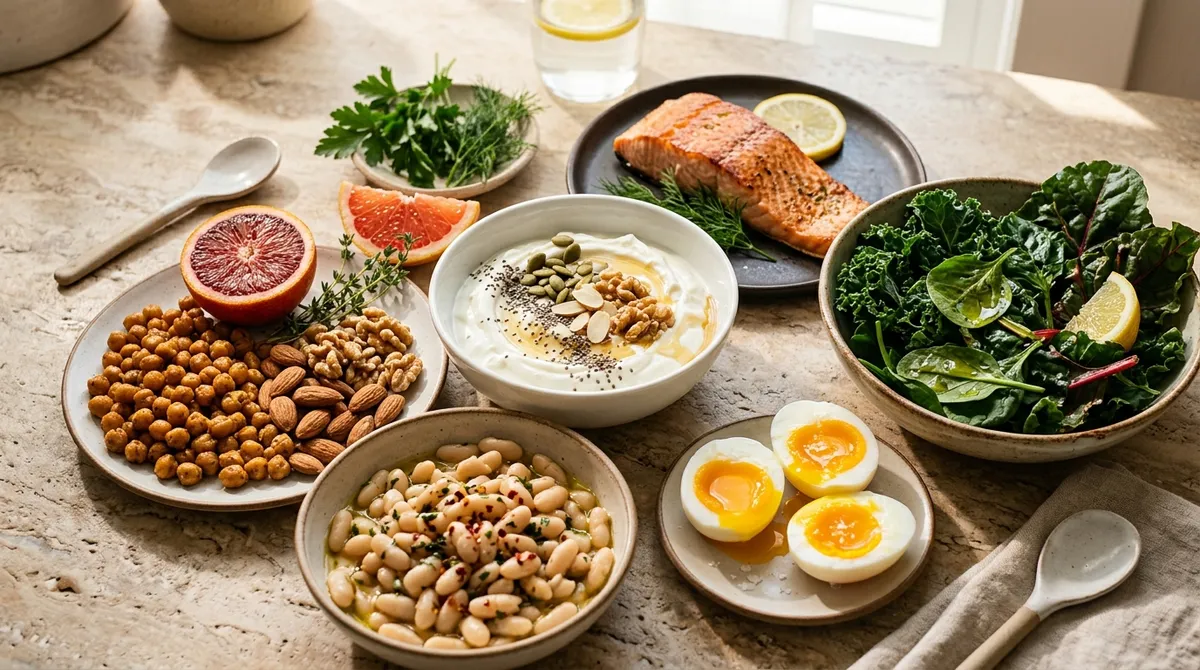
Dairy foods such as milk, yogurt, and cheese are familiar calcium sources. However, many people can meet their needs with non-dairy options as well. Calcium-set tofu, fortified plant milks, canned salmon with soft bones, sardines, bok choy, kale, collards, and fortified orange juice can all contribute.
Spacing calcium across meals may improve absorption. Instead of relying on one large serving late in the day, include calcium-rich foods at breakfast, lunch, and dinner. People who use supplements should ask a healthcare professional about dosage, because more is not always better.
2. Pair calcium with enough vitamin D
Calcium cannot do its job well without vitamin D. This vitamin helps the digestive tract absorb calcium and supports the mineral balance needed for bone rebuilding. Low vitamin D is common, especially in people who spend little time outside, use strong sun protection, have darker skin, or live in northern climates.
Food sources include salmon, trout, sardines, egg yolks, and fortified milk or plant-based beverages. Still, it can be difficult to get enough from food alone. A blood test can show whether levels are low. From there, a clinician can recommend a safe supplement plan if needed.
Sunlight helps the skin make vitamin D, but sun exposure should be balanced with skin cancer prevention. Short outdoor walks, when appropriate, can support both vitamin D status and weight-bearing movement.
3. Do not overlook protein
Many adults focus on calcium and forget about protein. That is a mistake. Bones contain a protein framework that holds minerals in place. Protein also helps maintain muscle, which protects the skeleton by improving balance, strength, and stability.
After 40, preserving lean muscle becomes increasingly important. Including protein at each meal can help. Good choices include eggs, Greek yogurt, fish, poultry, lean meat, beans, lentils, edamame, tofu, tempeh, nuts, seeds, and protein-rich whole grains.
Extremely low-protein diets may work against bone and muscle health. On the other hand, a balanced diet with adequate protein, fruits, vegetables, and calcium-rich foods can support the entire musculoskeletal system. People with kidney disease should follow individualized medical guidance.
4. Bring magnesium and vitamin K to the plate
Bone health depends on more than calcium and vitamin D. Magnesium helps convert vitamin D into its active form and supports bone mineral structure. Vitamin K plays a role in proteins involved in bone formation.
Magnesium-rich foods include pumpkin seeds, almonds, cashews, black beans, spinach, avocado, dark chocolate, and whole grains. Vitamin K is abundant in leafy greens such as kale, spinach, collards, Swiss chard, and parsley. Broccoli and Brussels sprouts also provide helpful amounts.
These nutrients are another reason to build meals around colorful, minimally processed foods. A bowl with greens, beans, seeds, roasted vegetables, and a calcium-rich dressing can deliver several bone-supportive nutrients at once.
5. Eat more produce for potassium and antioxidants
Fruits and vegetables support bones in several ways. They provide potassium, vitamin C, magnesium, polyphenols, and other compounds linked with healthy aging. Vitamin C is needed to make collagen, a key part of bone matrix. Potassium-rich foods may also help balance the effects of high-sodium diets.
Choose a variety of produce throughout the week. Citrus fruits, berries, kiwi, peppers, tomatoes, potatoes, sweet potatoes, bananas, beans, squash, and leafy greens all offer useful nutrients. Frozen produce counts, too. It is often budget-friendly and easy to keep on hand.
A simple goal works well: fill half the plate with fruits and vegetables at most meals. This habit also supports heart health, digestion, and weight management, all of which become more important with age.
6. Limit habits that can weaken bones
Bone-smart nutrition includes adding helpful foods and moderating choices that may interfere with bone health. A very high sodium intake can increase calcium loss through urine. Processed meats, packaged snacks, fast food, and many canned soups are common sodium sources.
Caffeine does not need to disappear, but excessive intake can be an issue if calcium intake is low. Enjoying coffee or tea alongside a calcium-rich diet is usually different from drinking large amounts while skipping nutrient-dense meals.
Alcohol also deserves attention. Heavy drinking can impair bone formation, increase fall risk, and disrupt hormone balance. If you drink, keep intake moderate. Sugary beverages and cola-style sodas can crowd out milk, fortified drinks, and other nutrient-rich choices. The pattern matters more than any single item.
7. Build meals that support consistency
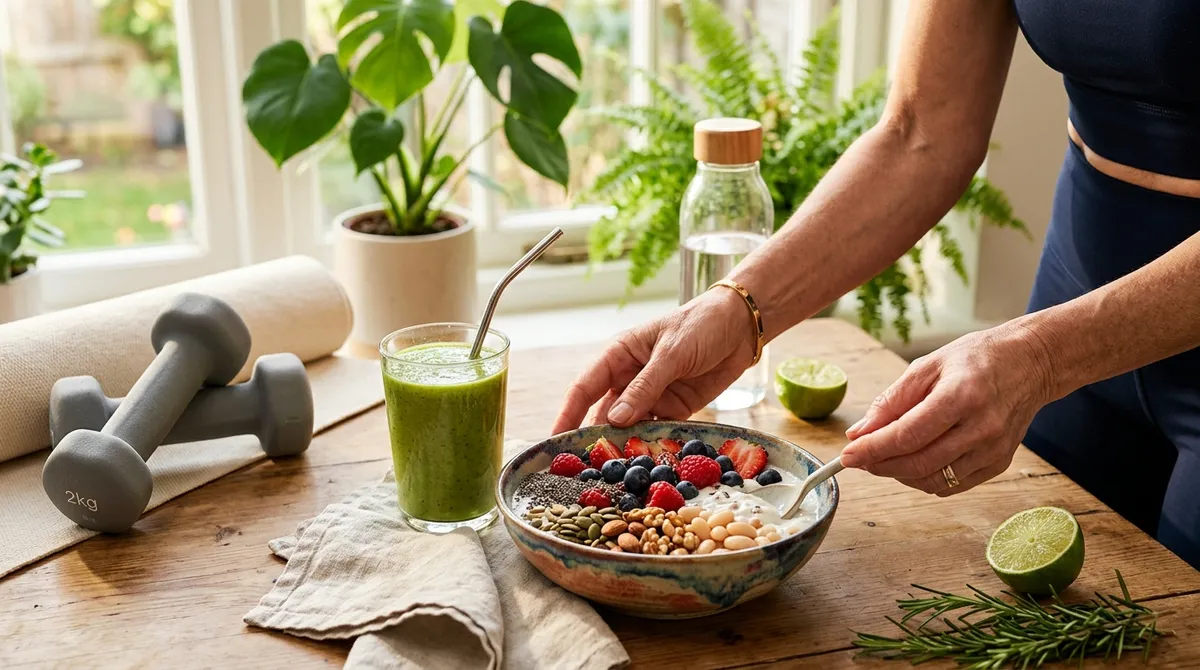
The best bone health plan is one you can maintain. Start with simple meals that combine protein, calcium, produce, and healthy fats. For breakfast, try fortified oatmeal with Greek yogurt, berries, and chia seeds. For lunch, choose a salmon salad with leafy greens, beans, and a yogurt-based dressing. For dinner, make tofu stir-fry with bok choy, broccoli, brown rice, and sesame seeds.
Snacks can help fill nutrient gaps. Consider cottage cheese with fruit, hummus with vegetables, roasted chickpeas, almonds, kefir, or a fortified smoothie. If appetite is lower than it used to be, nutrient-dense snacks can make a meaningful difference.
Meal planning also helps prevent long stretches of low intake. Keep canned fish, frozen greens, beans, nuts, seeds, fortified beverages, and whole grains available. These staples make bone-supportive eating easier on busy days.
When to consider screening and professional guidance
Nutrition is powerful, but it is only one part of bone protection. Adults with fracture history, long-term steroid use, early menopause, low body weight, thyroid disease, digestive conditions, or a strong family history should ask about bone density testing. A DEXA scan can measure bone mineral density and help guide prevention or treatment.
A registered dietitian can review eating habits and identify nutrient gaps. A healthcare provider can evaluate vitamin D, medications, hormone-related concerns, and fracture risk. This is especially important before taking high-dose supplements.
Conclusion: stronger bones start with daily choices
Supporting bone density after 40 does not require a complicated diet. It calls for consistent, nutrient-rich meals that provide calcium, vitamin D, protein, magnesium, vitamin K, and plenty of produce. By also watching sodium, alcohol, and empty-calorie drinks, you create a stronger foundation for healthy aging. Small daily choices can help protect mobility, independence, and confidence for decades to come.